
Nail clinic
Painful, thickened or discolored nails can have different causes. An assessment helps guide the discussion of care and maintenance.
Appearance alone does not determine care
Not every thick nail is fungal and not every painful nail is ingrown. We assess the nail, surrounding skin, pressure, injury and grooming habits.
Which nail concern brings you here?
Problematic, ingrown and fungal nails can look alike but require different assessments.
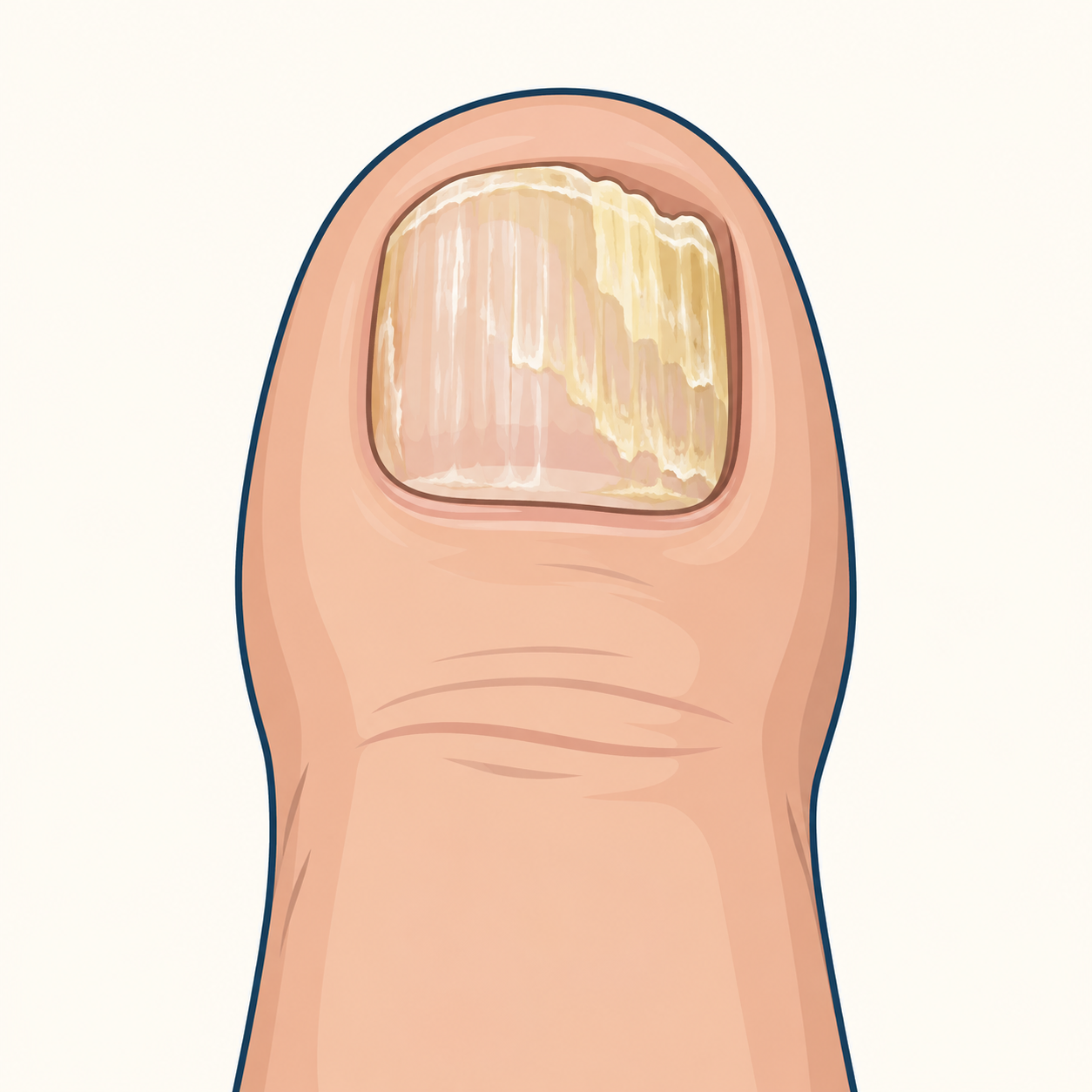
Problematic nails
Thickening, discoloration, cracking, and lifting can have several causes, including trauma, repeated pressure, and fungal infection
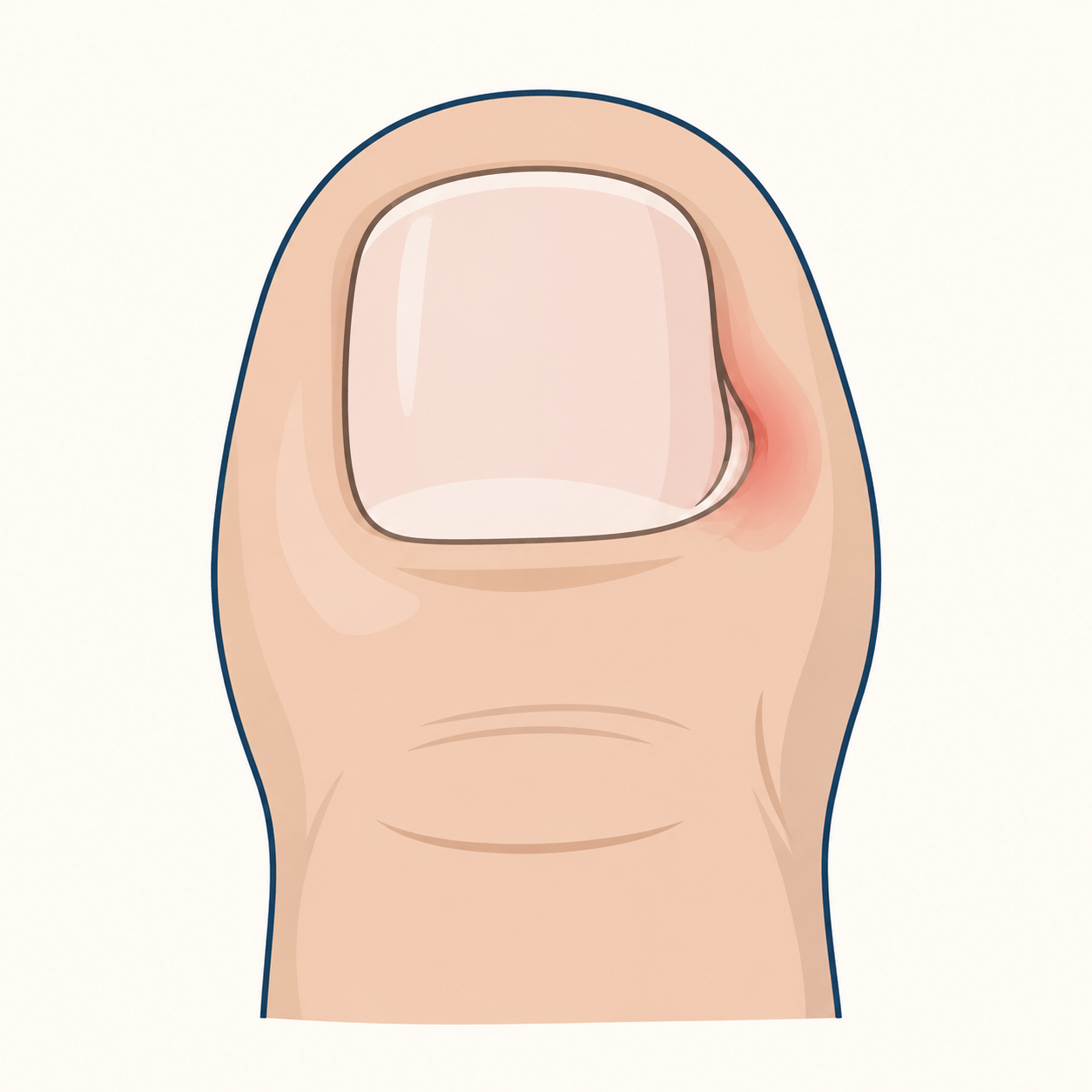
Ingrown nails
Assessment covers pain while walking, swelling, redness, edge tenderness, and recurrent inflammation
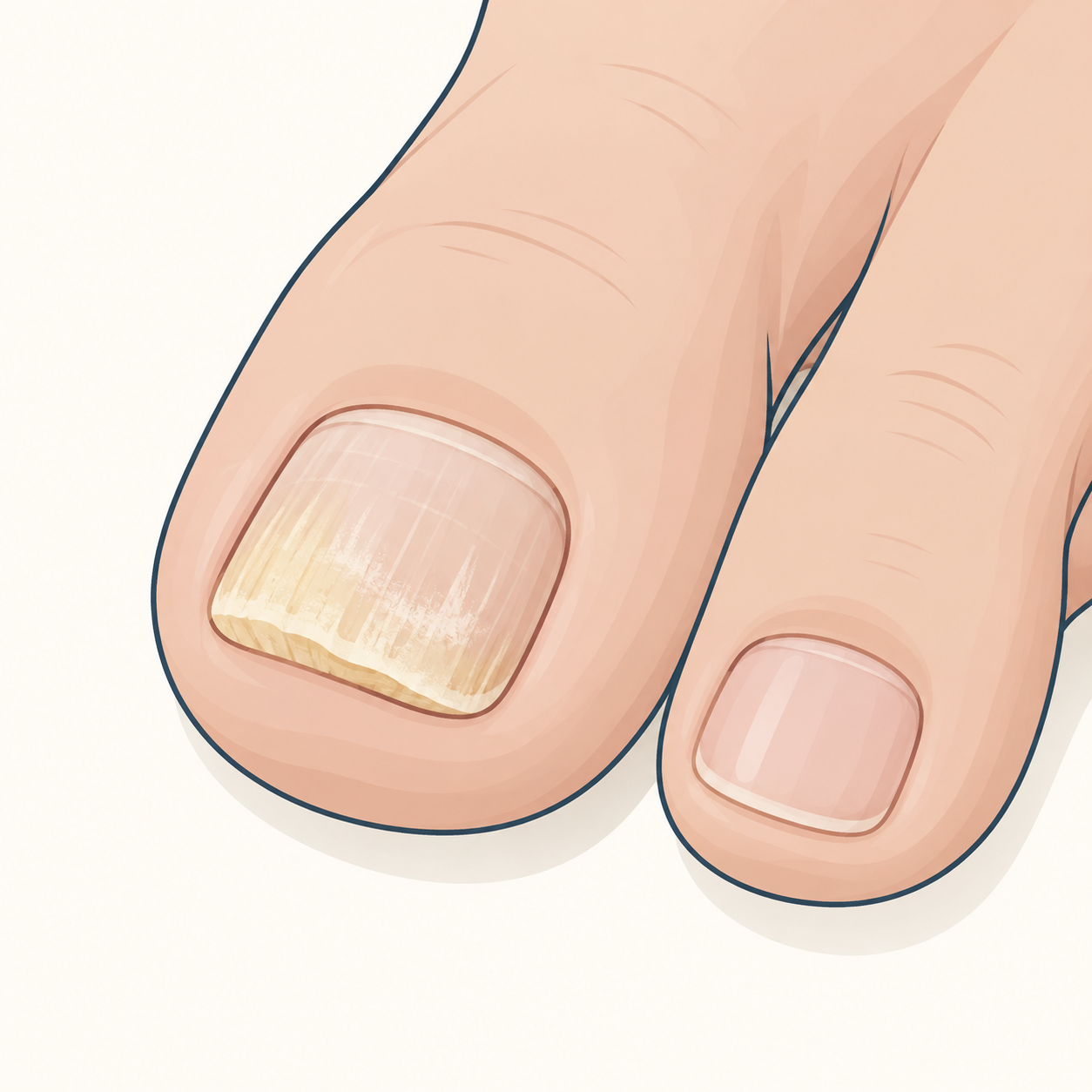
Fungal nails
Yellow or white discoloration, thickening, and crumbling should be assessed for fungal infection
Nail grooming and medical care have different roles
Distinguish improving appearance from treating the cause.
Nail grooming
Trimming thickened nails may temporarily ease discomfort, but does not itself treat a fungal infection.
Medical assessment
Persistent thickening, discolouration, pain, inflammation or difficulty walking calls for assessment of the cause. Medical treatment, nail care and lifestyle management may be selected or combined according to the diagnosis.
From identifying causes to individual care
We examine the nail and surrounding skin before discussing causes, care and daily habits.
- 1
Examine the nail and skin
We assess colour, thickness, shape and pain or inflammation around the nail.
- 2
Assess possible causes
We consider fungal infection, ingrown nails, repeated pressure, injury and grooming habits.
- 3
Tests when indicated
Tests for fungal infection may be considered when a fungal nail infection is suspected.
- 4
Plan individual care
Treatment and care are selected according to the diagnosis, symptoms and general health.
- 5
Care and recurrence prevention
We explain nail trimming, footwear and foot hygiene.
Care after treatment matters
After treatment, review drying, pressure and nail trimming habits.
Dry your feet
Dry feet after washing, keep socks clean and reduce damp conditions in shoes and socks.
Reduce pressure
Choose ventilated footwear and review sources of repeated pressure.
Avoid aggressive trimming
Do not cut nails excessively short or tear at deformed areas.
Keep tools personal
Keep nail tools clean and avoid sharing them.
FAQ
What problems does the nail clinic see?
We see toenail and fingernail fungus, ingrown toenails that dig into the skin, thickened or deformed nails, and nails that split or lift. Pain, inflammation of the surrounding skin and discomfort when wearing shoes are also reasons to be seen, not only changes in colour or shape.
If a toenail becomes thick and yellow, is it always fungus?
Not every thick, yellow nail is fungal. Repeated pressure from shoes, injury and conditions such as psoriasis can cause similar changes. It is better to confirm the cause before using medication based on appearance alone.
Does an ingrown toenail always need to be removed?
Not every ingrown toenail needs nail removal. Depending on severity, care to reduce pressure or conservative treatment is considered. If inflammation is severe or keeps coming back, a procedure to remove the problem part of the nail may be needed.
What if I have both toenail fungus and an ingrown toenail?
We look at the infection and the nail's pressure together. Fungus can thicken or deform the nail and increase discomfort in the surrounding skin. While checking inflammation, we decide the order of antifungal treatment and nail care or correction.
How can I check treatment costs and National Health Insurance or private insurance coverage?
Costs vary with the diagnosis, the number of nails treated, and the method and number of sessions. After the examination you can confirm the expected cost and whether National Health Insurance applies. Private indemnity insurance coverage depends on your policy, its terms and the treatment, so please check the required documents and criteria with your insurer before treatment.
Before your visit
Review treatment, common questions and clinician information before your visit.

Nail treatment
Care proceeds through examination, cause assessment, indicated testing, individual treatment, and recurrence prevention

Nail FAQ
Not every thick nail is fungal, and an ingrown nail does not always require removal

Meet the doctor
Medical Director and anesthesiology and pain medicine specialist. His approach begins with assessment across pain, posture, skin, and facial change.
Discuss the approach that fits your condition
Discuss the potential benefits and limitations before deciding on a care plan.
When it hurts, Dr. Anapa
Face or pain, we start by finding out why. Book by phone or online.