
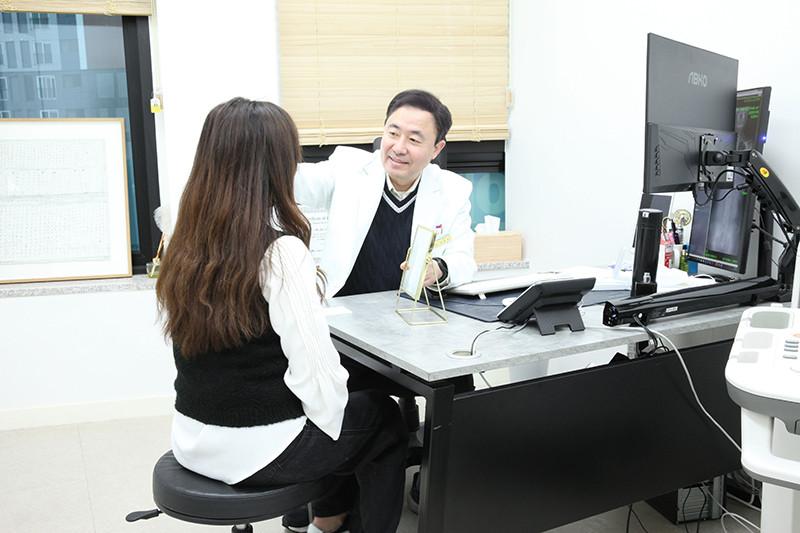
Nonsurgical facial rejuvenation
An individual approach to facial aging. We assess facial structure, skin condition and patterns of change before considering a combination of treatments.
Facial aging involves more than one change
The clinic uses rejuvenation to describe assessing existing changes and seeking natural, balanced improvement. It does not mean that one procedure addresses every aspect of aging.
Loss of volume
We assess changes in the forehead, temples, cheeks and other areas alongside overall facial proportions.
Skin and soft-tissue laxity
We assess the location and direction of laxity, skin thickness and elasticity.
Wrinkles, pores and skin texture
We assess changes in skin quality and surface texture separately from facial contour.
Skin recovery
Skin condition and recovery inform the scope of treatment and ongoing care.
Treatment priorities differ even at the same age
We review your concerns, facial condition and recovery expectations before discussing a care plan.
1. Identify the main concern
Discuss whether volume loss, laxity or skin texture is the main concern.
2. Assess the whole face
Assess volume, laxity direction, elasticity, wrinkles, pores and symmetry.
3. Decide the approach and sequence
Discuss appropriate treatment and sequencing in light of recovery and the desired extent of change.
Four approaches for different concerns
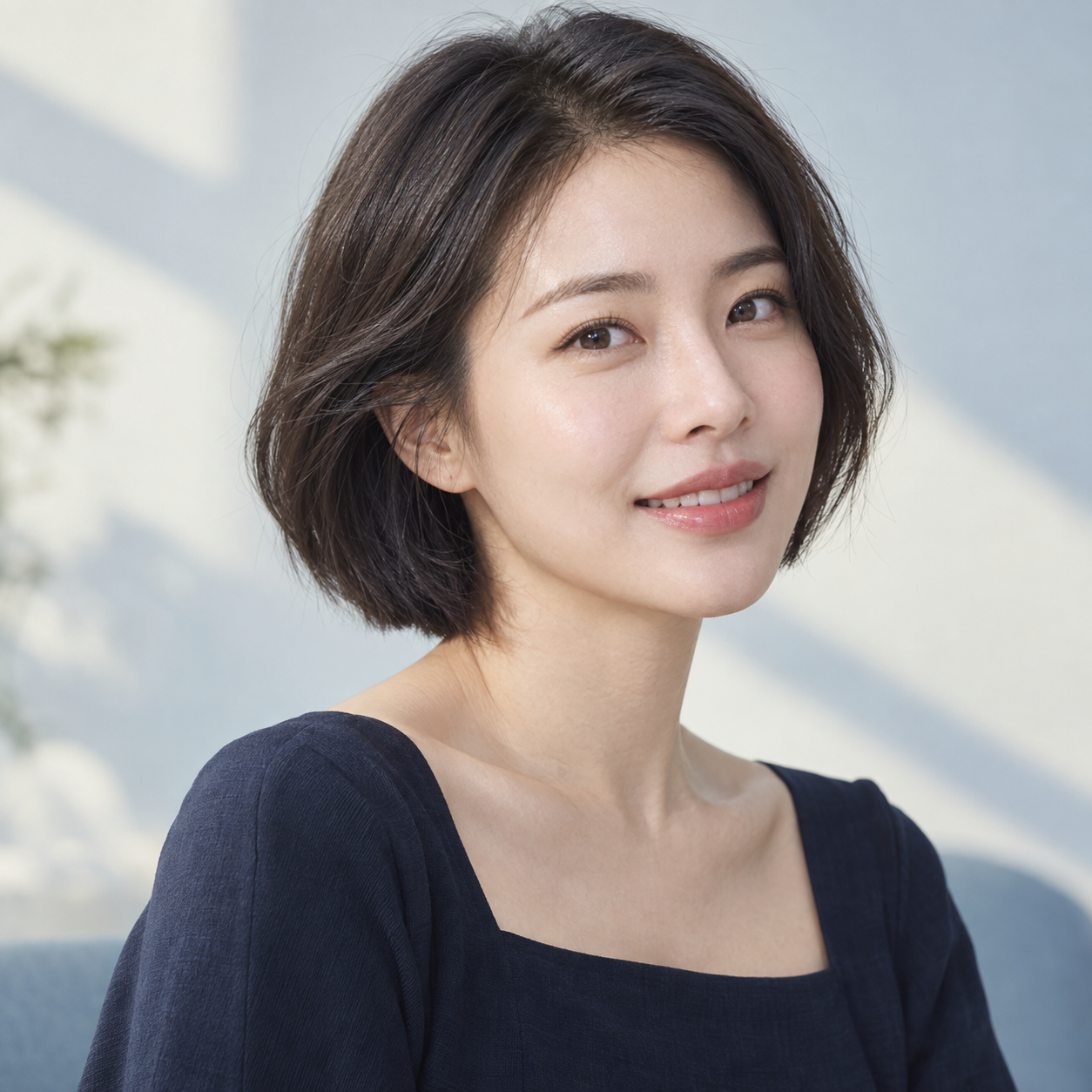



Why consider more than one approach?
Volume loss, laxity and skin texture call for different assessments before deciding whether to combine treatments.
Addressing volume loss
Autologous fat may support volume where needed, with overall structure and proportions considered.
Supporting lax tissue
Support or repositioning with medical threads is planned according to laxity location, direction and skin thickness.
Addressing skin quality and recovery
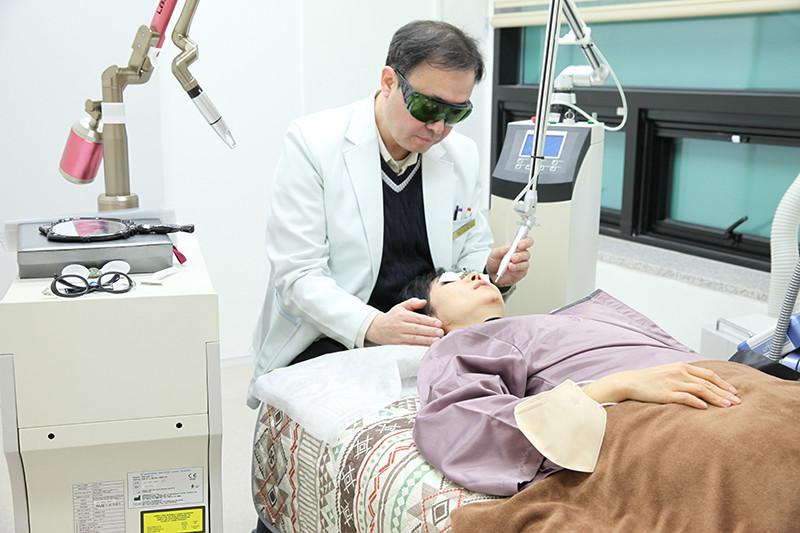
Laser treatment and recovery care may be considered for fine lines, pores, texture and elasticity according to skin condition.
Not every treatment is needed by every person
Combined care may be considered when volume loss, laxity and texture changes coexist. Examination helps determine which changes to address first.
Respecting the individual face
We assess facial structure and skin condition to discuss the areas and scope of care.
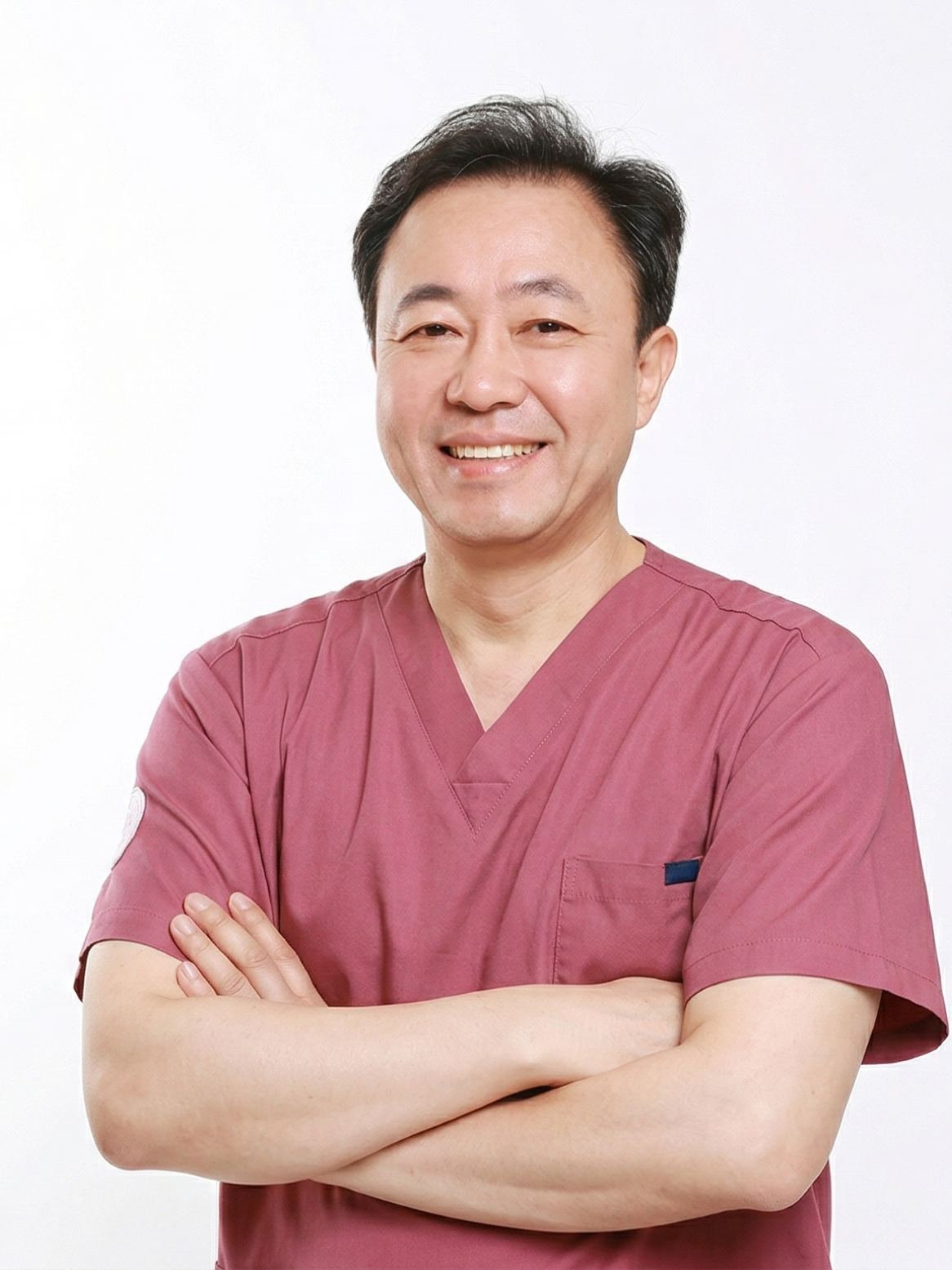
Dr Ahn Jae-seok
Dr Ahn focuses on what to treat, where and why. The approach considers facial structure and skin condition to identify the areas that need attention.
“I would like to look ten years younger”
This can be a wish expressed in consultation, not a promise of a specific reduction in perceived age. We first assess how volume, laxity and skin affect the current appearance.
FAQ
Which non-surgical anti-aging treatment suits me?
The approach depends on the main aging changes and is decided after examination.
Can fat grafting and thread lifting be combined?
Combination may be considered according to condition and goals, but is not needed for everyone.
Can non-surgical anti-aging look natural?
Planning considers overall balance and the existing appearance rather than excessive change. Results vary.
How long is recovery for non-surgical anti-aging?
It varies with procedure, scope and individual condition. Expected recovery and precautions are discussed beforehand.
How many non-surgical anti-aging sessions are needed?
The number depends on treatment and skin condition rather than a fixed schedule for everyone.
Philosophy and related information
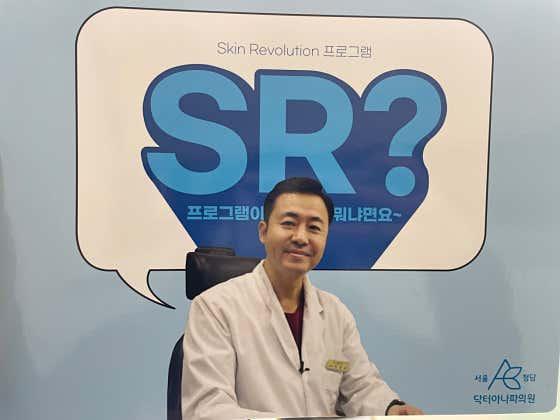
Start with an assessment of your current condition
Examination and consultation guide the treatment, its sequence, possible changes and limitations.
When it hurts, Dr. Anapa
Face or pain, we start by finding out why. Book by phone or online.