
Nail Clinic: 30 frequently asked questions
Thickened nails, nails that keep digging in, fingernails that change colour. They may look alike, but causes and treatment can differ.
The nail clinic at Seoul Cheongdam Dr. Anapa Clinic answers common questions about nail conditions, treatment and everyday care.
Questions by topic
Nail changes and diagnosis
What problems does the nail clinic see?
We see toenail and fingernail fungus, ingrown toenails that dig into the skin, thickened or deformed nails, and nails that split or lift. Pain, inflammation of the surrounding skin and discomfort when wearing shoes are also reasons to be seen, not only changes in colour or shape.
If a toenail becomes thick and yellow, is it always fungus?
Not every thick, yellow nail is fungal. Repeated pressure from shoes, injury and conditions such as psoriasis can cause similar changes. It is better to confirm the cause before using medication based on appearance alone.
Can fingernails get fungus too?
Yes, fingernails can also develop fungal infections. They may turn cloudy or thick, or crumble or lift at the tip. Frequent contact with water and detergents or nail salon treatments can also damage fingernails, so the two need to be told apart.
How is toenail fungus confirmed?
If needed, part of the affected nail or the debris underneath is collected to check for fungus. Microscopy, culture and other tests are used as appropriate, and the results are judged together with the actual condition of the nail. Please tell the doctor about any antifungal medication used before the test.
If the fungal test is negative, does that rule out fungus?
A single negative result cannot always rule it out completely. Results can vary with where the sample was taken and with previous medication. If changes suggesting fungus persist, a repeat test or evaluation for other causes is considered.
I have a dark vertical line on my nail. Is it fungus?
A dark line can result from pigment changes or injury, but it should not be assumed to be fungus. If a new line widens, becomes irregular in colour, or the surrounding skin darkens, a dermatology evaluation is needed. Rarely it can be related to a nail tumour, so it is important to check changes.
Treating toenail fungus
Does toenail fungus need treatment even if it does not hurt?
Even without pain, the infection can spread or the nail can thicken and become uncomfortable. However, not everyone needs the same treatment. Whether and how to treat is decided after checking the extent, progression and any underlying conditions.
What treatments are available for toenail fungus?
Topical and oral antifungal medications are the main options. For thick nails, a procedure to reduce thickness may be added depending on the condition. One method or a combination is used according to the extent of infection and your health.
Can topical medication alone help?
Topical medication can be considered when the infected area is small and the nail root is little affected. If several nails are widely involved or thickening is severe, other treatment may be needed. Skin antifungals and nail antifungals are different, so check what a product is for.
Are oral antifungals hard on the liver?
Oral antifungals are prescribed after checking liver function and interactions with other medicines. Not everyone develops liver problems, but tell us in advance if you have liver disease or take many medicines. Depending on the drug and your condition, blood tests before or during treatment may be needed.
If I have laser treatment for toenail fungus, can I skip the pills?
Having laser treatment does not mean everyone can skip medication. Evidence and indications differ by device and method, and laser alone cannot be guaranteed to clear the fungus or cure it. Treatment is discussed after checking why medication is difficult for you and how extensive the infection is.
Does filing down a thick nail cure the fungus?
Reducing thickness can ease pressure from shoes and help medication reach the nail. But thinning the nail alone does not treat the fungal infection. If fungus is confirmed, treatment of the infection should also be considered.
How long does toenail fungus treatment take?
The period of medication and the time for a clear nail to grow out are different. Toenails grow slowly, so it can take several months to more than a year for the appearance to recover. The period varies with the extent of infection, nail growth rate and treatment method.
Can I stop treatment once a clear new nail grows?
Clear nail growing from the root is a good sign, but it alone does not decide when treatment ends. Remaining lesions and the treatment period are checked, and test results are considered when needed. It is best not to stop medication on your own because the nail looks better.
Will the nail return to its original shape after treatment?
Even when the infection improves, the shape may not fully recover because of injury, long-standing deformity or damage to the area that makes the nail. Clearing the fungal infection and normalising the nail's appearance should be considered separately.
Ingrown toenails and correction
Why do ingrown toenails happen?
They occur when the nail edge presses on or digs into the surrounding skin. Nail shape, cutting the sides too deeply, narrow-toed shoes and repeated pressure can all contribute. It helps to review the habits behind it as well.
Does an ingrown toenail always need to be removed?
Not every ingrown toenail needs nail removal. Depending on severity, care to reduce pressure or conservative treatment is considered. If inflammation is severe or keeps coming back, a procedure to remove the problem part of the nail may be needed.
What does an ingrown toenail brace do?
A brace applies force to the curved nail to reduce the pressure of its edge on the skin. Whether it can be used depends on the nail's thickness and shape and the condition of the skin. It is not suitable for every ingrown toenail and is decided after examination.
Does it get better as soon as the brace is applied?
Pain may ease fairly quickly as pressure is reduced, but changing the nail's shape takes time as it grows. Less pain does not mean correction is finished. Whether to keep, adjust or replace the device is decided as it progresses.
Is ingrown toenail treatment very painful?
It depends on the degree of inflammation and the method. An already swollen, sensitive area may hurt with light touch. Local anaesthesia may be used for procedures such as removing part of the nail, and we explain the expected pain and aftercare before treatment.
Can an ingrown toenail with pus or swelling be corrected?
If there is pus and swelling, the degree of infection and inflammation must be assessed first. Depending on the condition, treating the inflammation or other care may come first. If redness spreads, you have a fever or pain worsens, seek care promptly. Avoid cutting deeply into the ingrown area at home.
What if I have both toenail fungus and an ingrown toenail?
We look at the infection and the nail's pressure together. Fungus can thicken or deform the nail and increase discomfort in the surrounding skin. While checking inflammation, we decide the order of antifungal treatment and nail care or correction.
Can a treated ingrown toenail come back?
Yes, it can. Not only the nail's shape but also cutting habits and shoe pressure can continue to play a role. If pain and inflammation keep returning in the same place, we review the course of previous treatment and assess whether another method is needed.
Daily care and preventing recurrence
Can toenail fungus spread to family members?
It can spread through objects or surroundings contaminated with fungus. Nail clippers, foot care tools and slippers are best used individually rather than shared. If a family member develops similar changes, we recommend checking for fungus.
How can I reduce recurrence after treatment?
After washing, dry your feet well, including between the toes, and change damp socks. Choose shoes that are fully dry and not too tight across the forefoot. If you also have athlete's foot on the skin, managing it is important too.
How should I trim my toenails?
Do not cut them too short or dig out the corners; trim them roughly straight across. Forcing a thick or strongly curved nail can cause a wound. If there is pain or it is hard to manage on your own, it is best to get advice on care after an examination.
Can I have gel nails or a pedicure during treatment?
Restrictions may be needed depending on the nail's condition and the medication used. Covering the colour makes changes hard to see, and application and removal can cause damage. If there is infection, lifting or inflammation, treat it first and discuss when to resume.
If my fingernails keep splitting or lifting, should I take supplements?
Nutrition is not the only cause. Repeated contact with water and detergents, injury, nail salon treatments, skin conditions and infection also need to be considered. First reduce damage, and if changes persist or appear on several nails, check the cause. Decide on supplements accordingly.
Before your visit
Can I be treated if I have diabetes or am pregnant?
An examination lets us choose a method suited to your condition. With diabetes, wounds, infection, sensation and circulation in the feet must be considered, so do not cut or file deeply yourself. During pregnancy or breastfeeding the medicines that can be used may differ, so please tell us in advance.
How can I check treatment costs and National Health Insurance or private insurance coverage?
Costs vary with the diagnosis, the number of nails treated, and the method and number of sessions. After the examination you can confirm the expected cost and whether National Health Insurance applies. Private indemnity insurance coverage depends on your policy, its terms and the treatment, so please check the required documents and criteria with your insurer before treatment.
Explore by symptom
Continue to guidance for the nail condition that matches your concern.
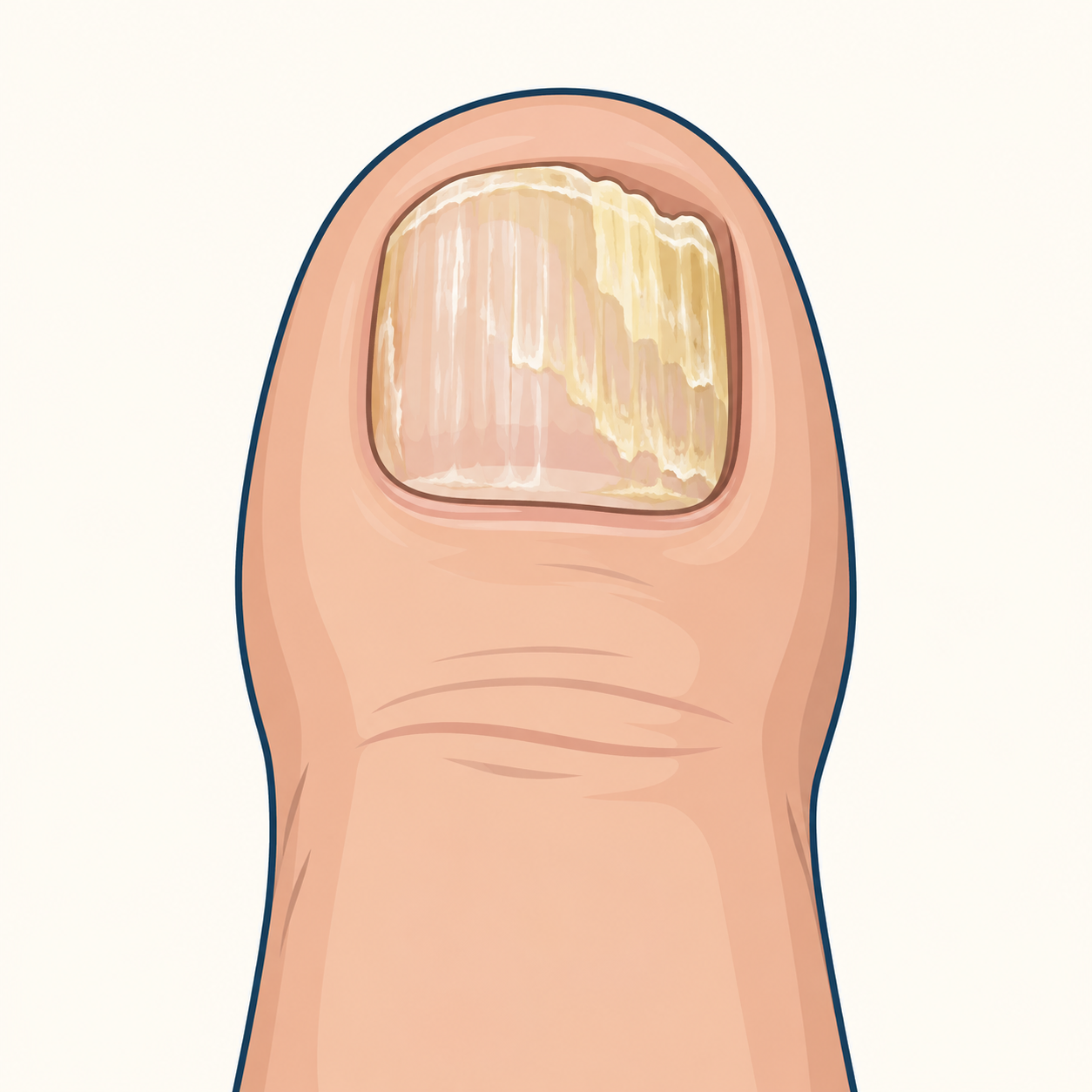
Problematic nails
Thickening, discoloration, cracking, and lifting can have several causes, including trauma, repeated pressure, and fungal infection
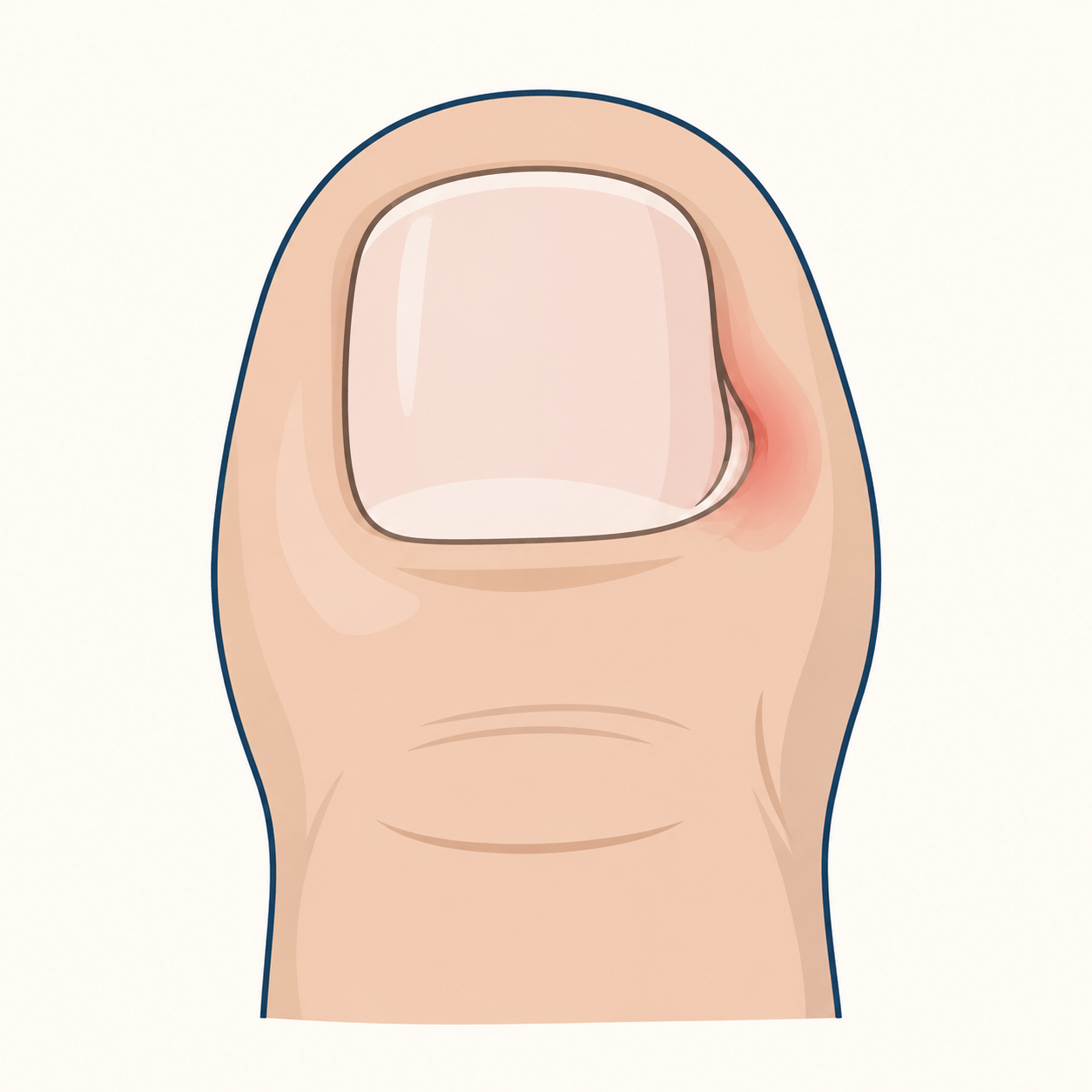
Ingrown nails
Assessment covers pain while walking, swelling, redness, edge tenderness, and recurrent inflammation
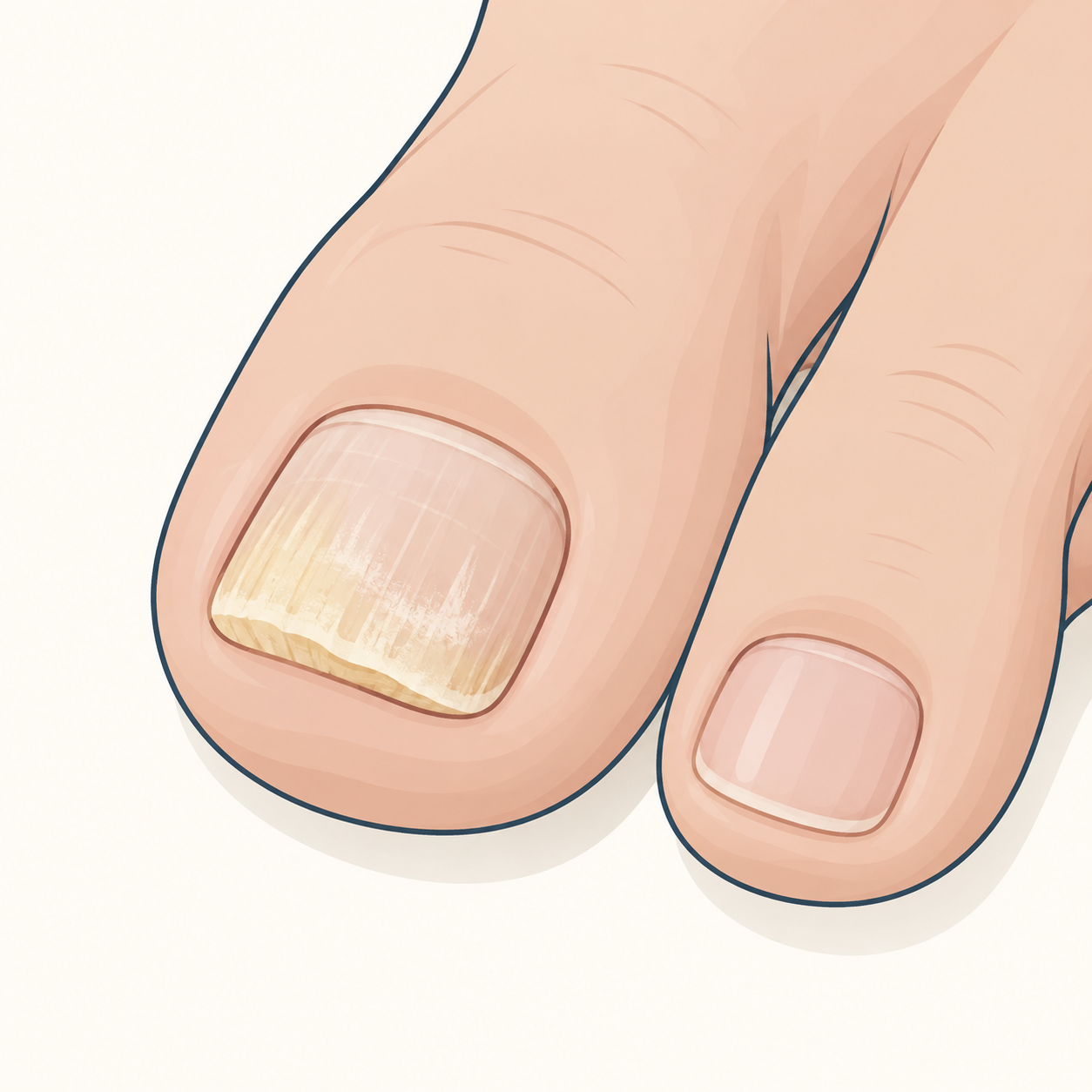
Fungal nails
Yellow or white discoloration, thickening, and crumbling should be assessed for fungal infection
Nail changes start with finding the cause.
The nail clinic at Seoul Cheongdam Dr. Anapa Clinic reviews your current nail condition and symptoms and discusses the direction of treatment. Letting us know your current medications and previous treatment at your visit helps your care.
This is general health information. Specific treatment and its duration may vary with examination and test results.
When it hurts, Dr. Anapa
Face or pain, we start by finding out why. Book by phone or online.