
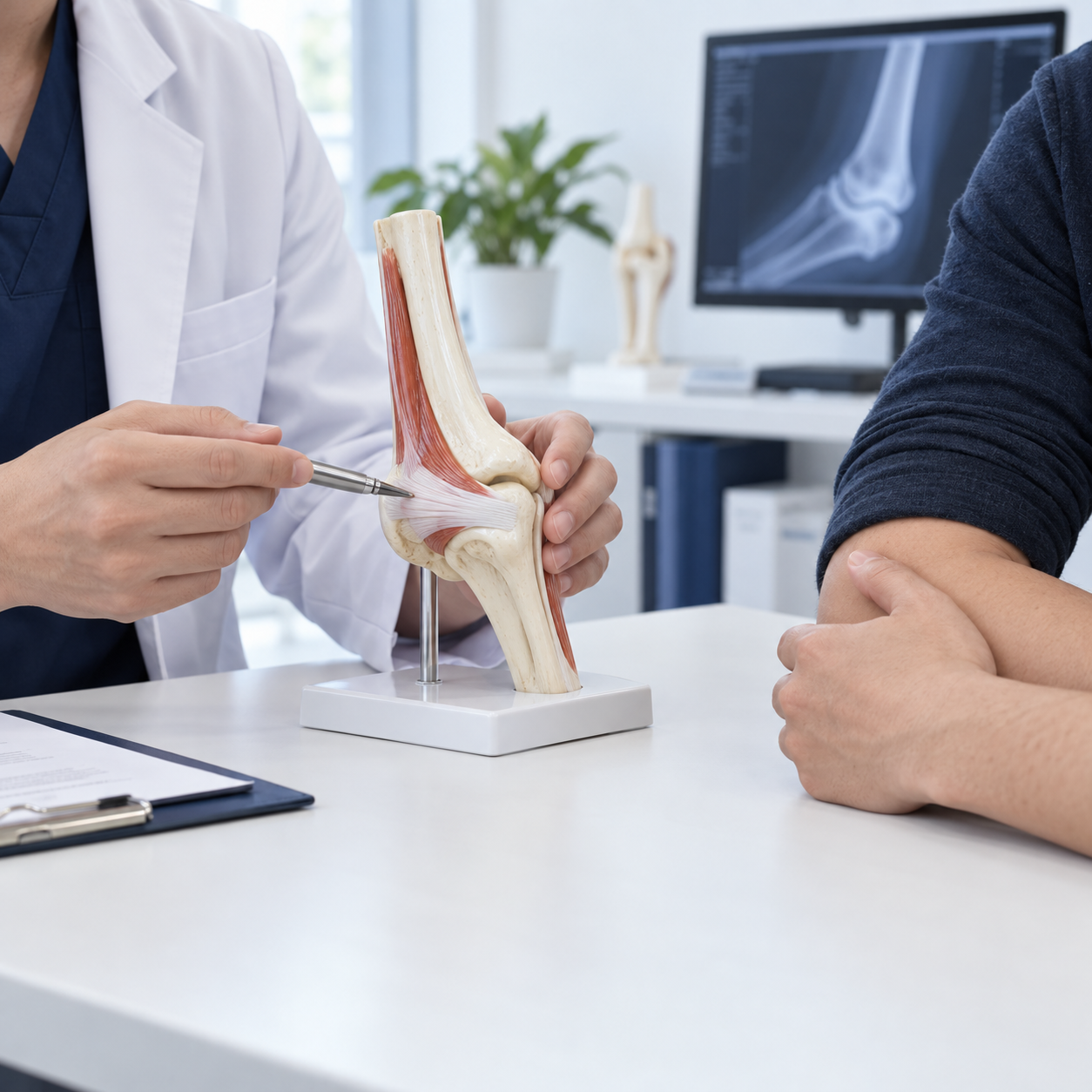
PRP injection treatment
PRP from your blood: review suitability
At a glance
A quick look at the key figures
Procedure time
About 30 minutes, including blood collection and centrifugation
Anesthesia
Topical or local anesthesia
Recovery period
Return to daily activities the same day
Treatment interval
Usually one to three sessions, two to four weeks apart
Cost
Not covered by national insurance; consult about the area and number of sessions
PRP (platelet-rich plasma) is plasma with a concentrated amount of platelets from the patient’s own blood. Platelets contain growth factors involved in tissue recovery. When injected into slow-healing tendons, ligaments, or joints, PRP is intended to support the body’s recovery process. The source describes no rejection response because the patient’s own blood is used.
How it is prepared and used
A small amount of blood is drawn from the arm and spun in a centrifuge to separate the platelet-rich layer. Ultrasound is used to locate the damaged area before injection. The process from blood draw to injection takes about 30 minutes, requires no incision, and allows a return to daily activities the same day.
Conditions considered
The clinic lists tennis and golfer’s elbow, plantar fasciitis, Achilles tendinitis, shoulder rotator cuff injury, and early knee arthritis. PRP may be considered for recurring pain after a steroid injection or chronic pain that has not improved with physical therapy.
The clinic’s approach
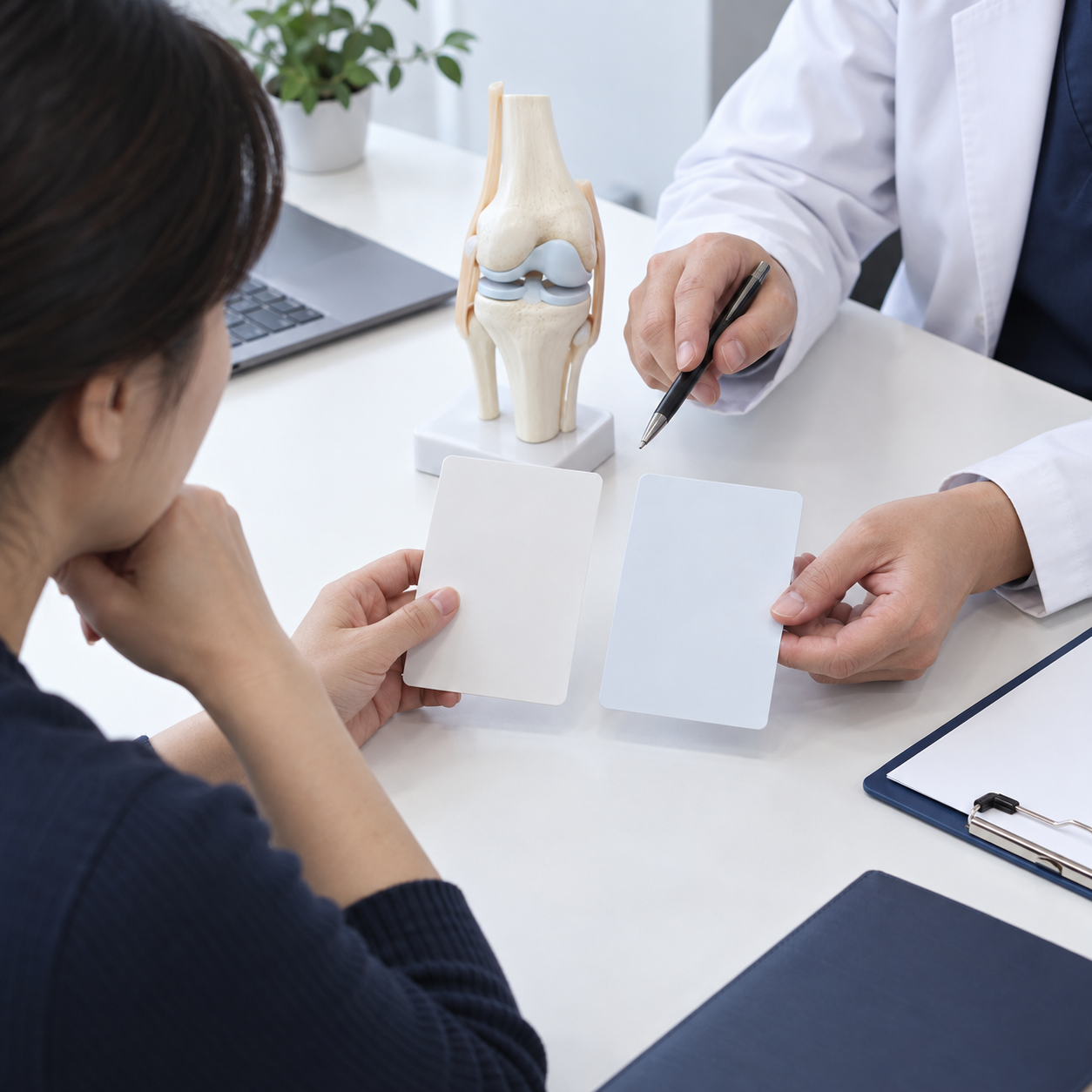
An anesthesiology and pain medicine specialist first assesses whether PRP suits the affected area. Manual therapy and exercise may follow the injection to support recovery. The clinic places PRP within its approach to treating pain without steroids.
Treatment outcomes vary by person. Tell the clinician where you hurt.
Considering PRP treatment
Review the affected area and treatment goal, then discuss the method and recovery.
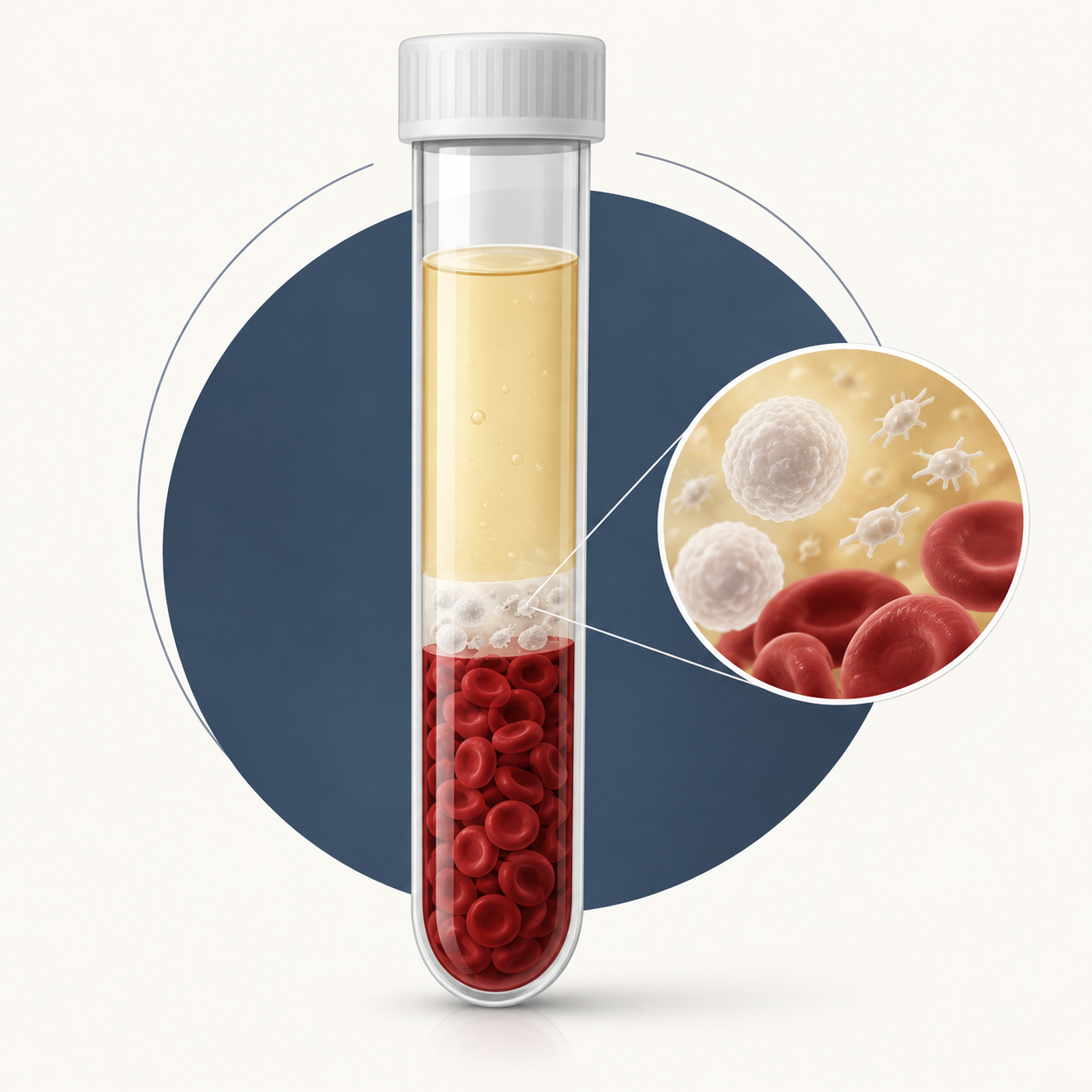
Using your own blood
The clinic describes using the patient’s own blood to avoid a rejection response and reduce medication burden.
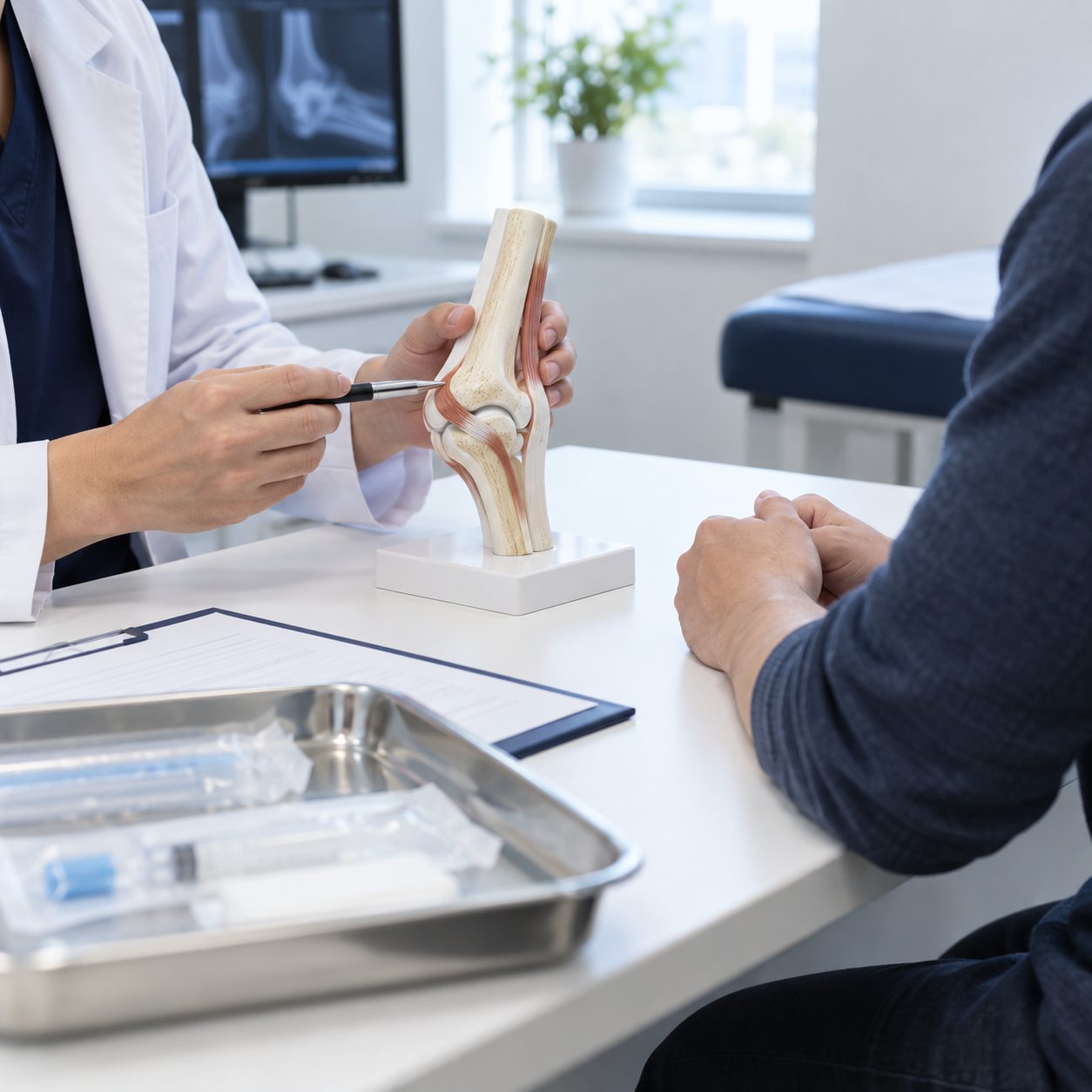
An injection without an incision
The injection site is checked with ultrasound, and patients can return to daily activities the same day.

Recovery signals for tendons and ligaments
Growth factors support recovery in tissue that has been slow to heal.
When tendon or joint pain recurs
Review elbow, foot or knee pain and previous care before discussing suitability.

People with persistent tennis or golfer’s elbow
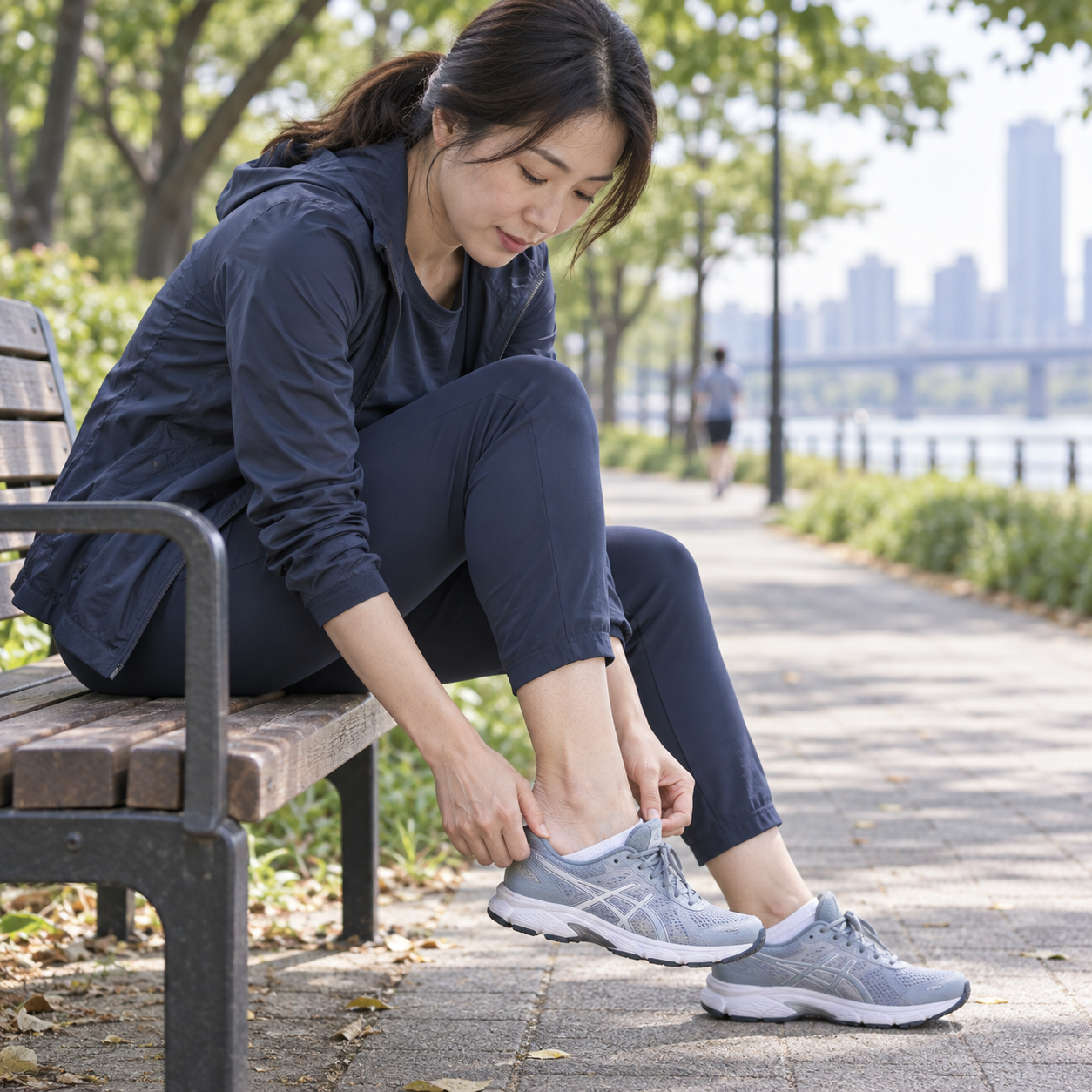
People with recurring plantar fasciitis or Achilles tendinitis
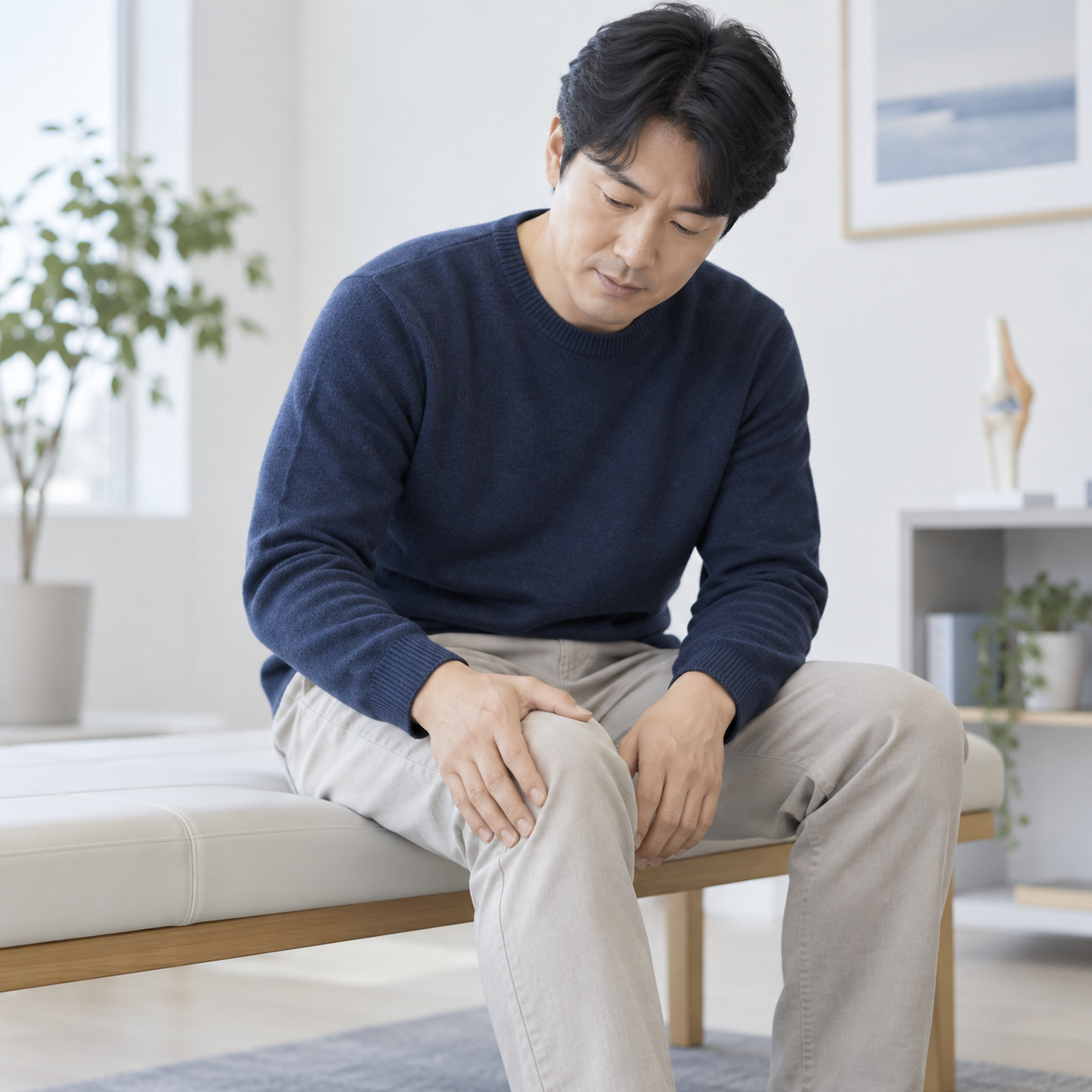
People with early knee osteoarthritis considering options before surgery
People hoping to avoid steroid injections
FAQ
01 Are PRP injections painful?
A small amount of blood is drawn from the arm and injected under ultrasound guidance. The injection site may feel stiff for a day or two.
02 How many PRP injections will I need?
Depending on the area and severity, one to three sessions two to four weeks apart are typical. The plan is set during consultation.
03 Does private insurance cover PRP injections?
PRP injections are not covered by National Health Insurance. Costs depend on the area and number of sessions and are explained at consultation first.
Aftercare guidance
Four ways to support recovery.
Avoid anti-inflammatory pain relievers for one week
Avoid anti-inflammatory pain relievers that can affect platelet function for one week before and after the injection; take prescribed medicine if needed.
Rest on the day of the injection
The injection site may feel sore for a day or two. Avoid strenuous activity on the day of treatment.
Avoid strenuous exercise for two weeks
Limit running and strenuous exercise for two weeks while the area recovers.
Contact the clinic for marked swelling or heat
Contact the clinic if the injection site becomes red or feels hot.
When it hurts, Dr. Anapa
Face or pain, we start by finding out why. Book by phone or online.