
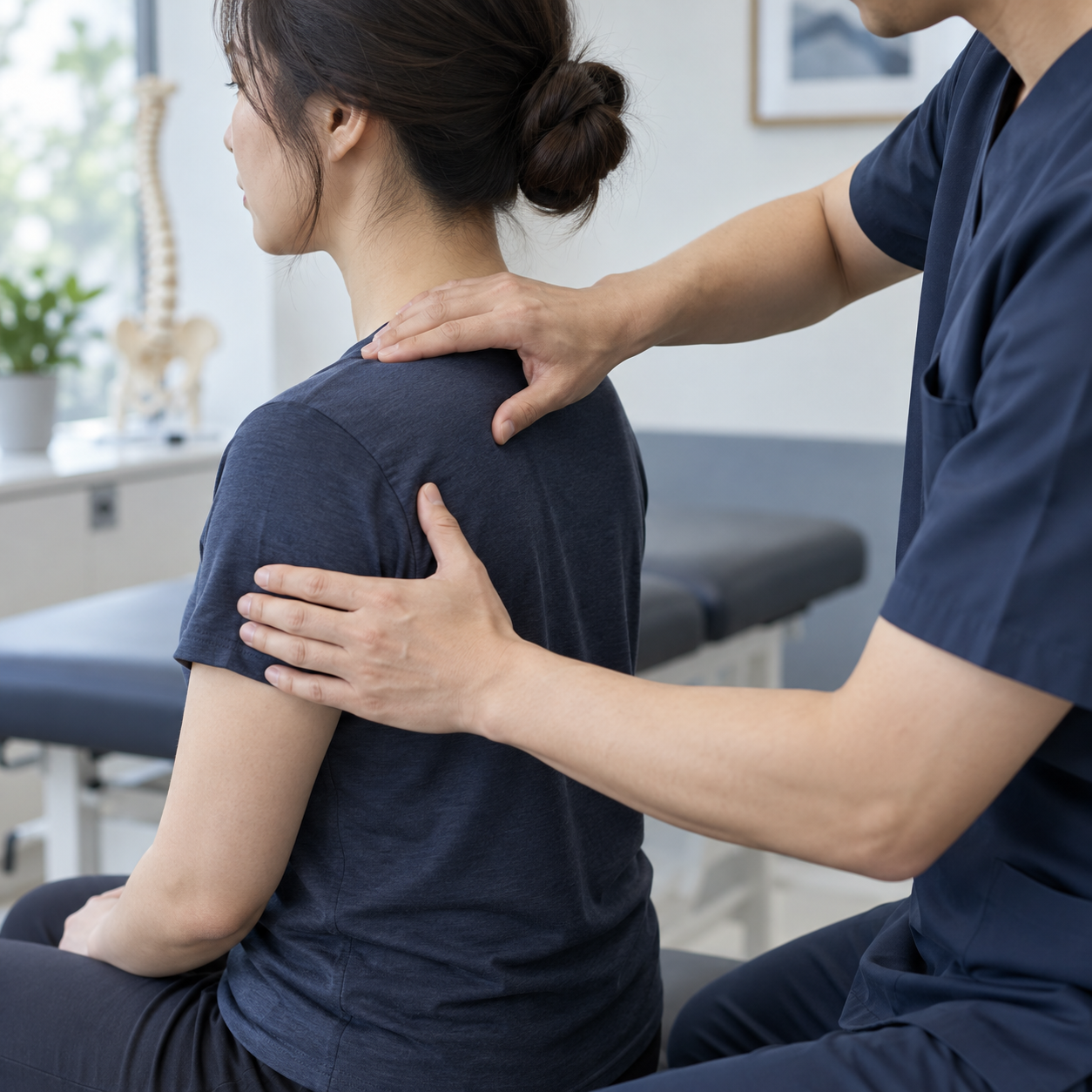
Corrective Therapy
Diagnosis first, correction after
At a glance
A quick look at the key figures

Procedure time
About 30-50 minutes

Treatment approach
Non-surgical

Treatment interval
Usually recommended once or twice a week
Moving with an imbalanced posture can strain joints and lead to muscle pain. Manual therapy starts with an assessment of joint and muscle problems, then addresses posture and uses individualized exercises. The goal is to help the body maintain better posture over time.
Visit flow
After checking in on the third floor, patients first see Director Ahn Jae-seok, an anesthesiology and pain medicine specialist. Depending on the condition, injection treatment may address musculoskeletal pain. When manual or physical therapy is needed, further treatment follows. The clinic does not begin correction without an assessment.
Who visits
Scoliosis, straight neck or forward head posture, and spinal disc problems are common reasons for a visit. Office workers who sit for long periods and growing adolescents also seek care. Because pain may return when daily habits stay the same, the clinic considers treatment and habits together.
Treatment outcomes vary by person.
What to review for manual therapy
Review the painful area, posture and movement before discussing treatment and exercise guidance.
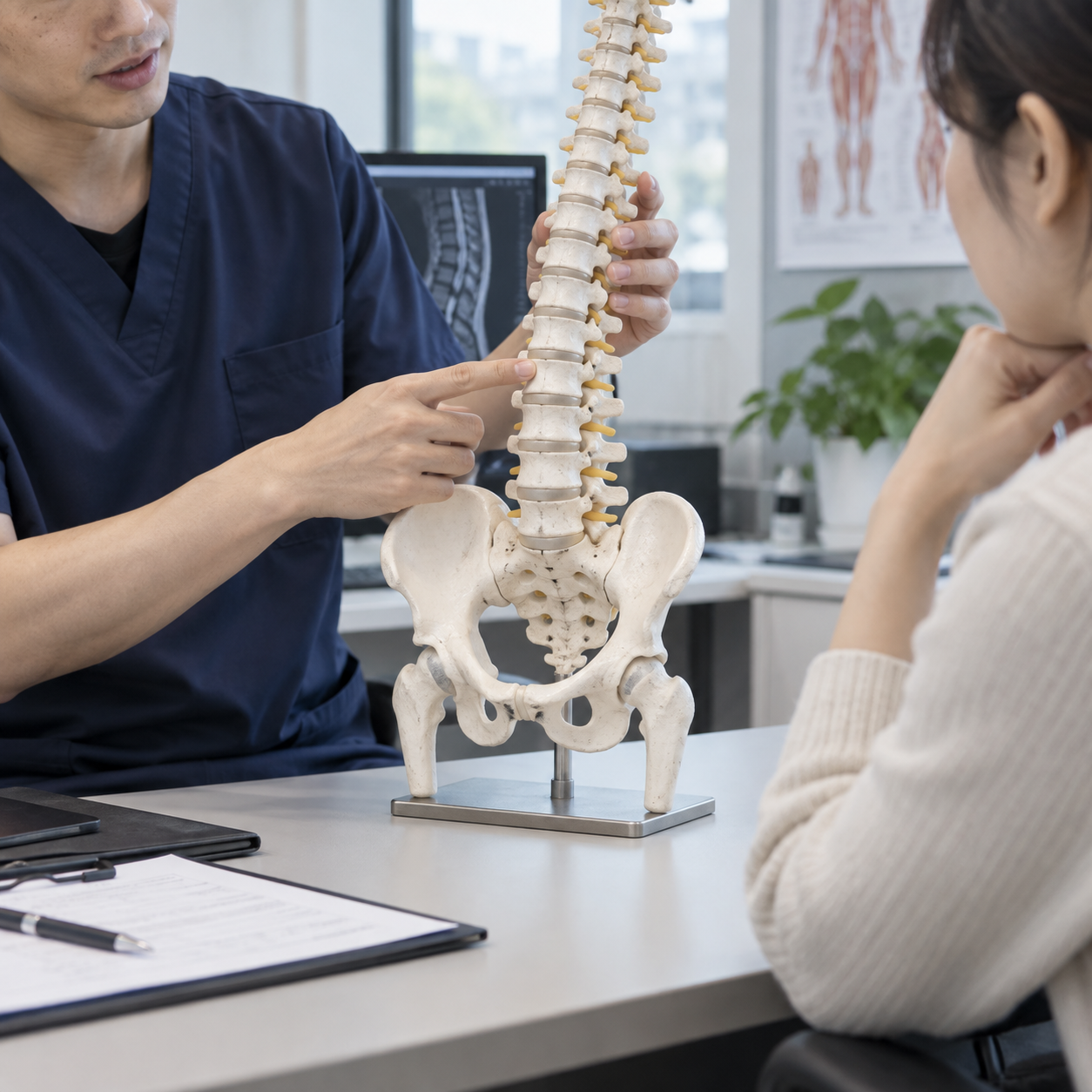
Assessing underlying factors
The assessment considers posture and musculoskeletal factors that may contribute to pain, beyond symptom relief alone.

Reducing recurrence
Care also includes exercise guidance to help maintain posture after correction.

Coordinated care
The medical director, an anesthesiology and pain medicine specialist, assesses first, considering skin and pain concerns as part of the same care plan.
When pain keeps returning
Review back or neck pain, postural imbalance and changes after an accident.

People with persistent back or neck pain

People with recurring pain related to posture imbalance

People with symptoms after a traffic accident
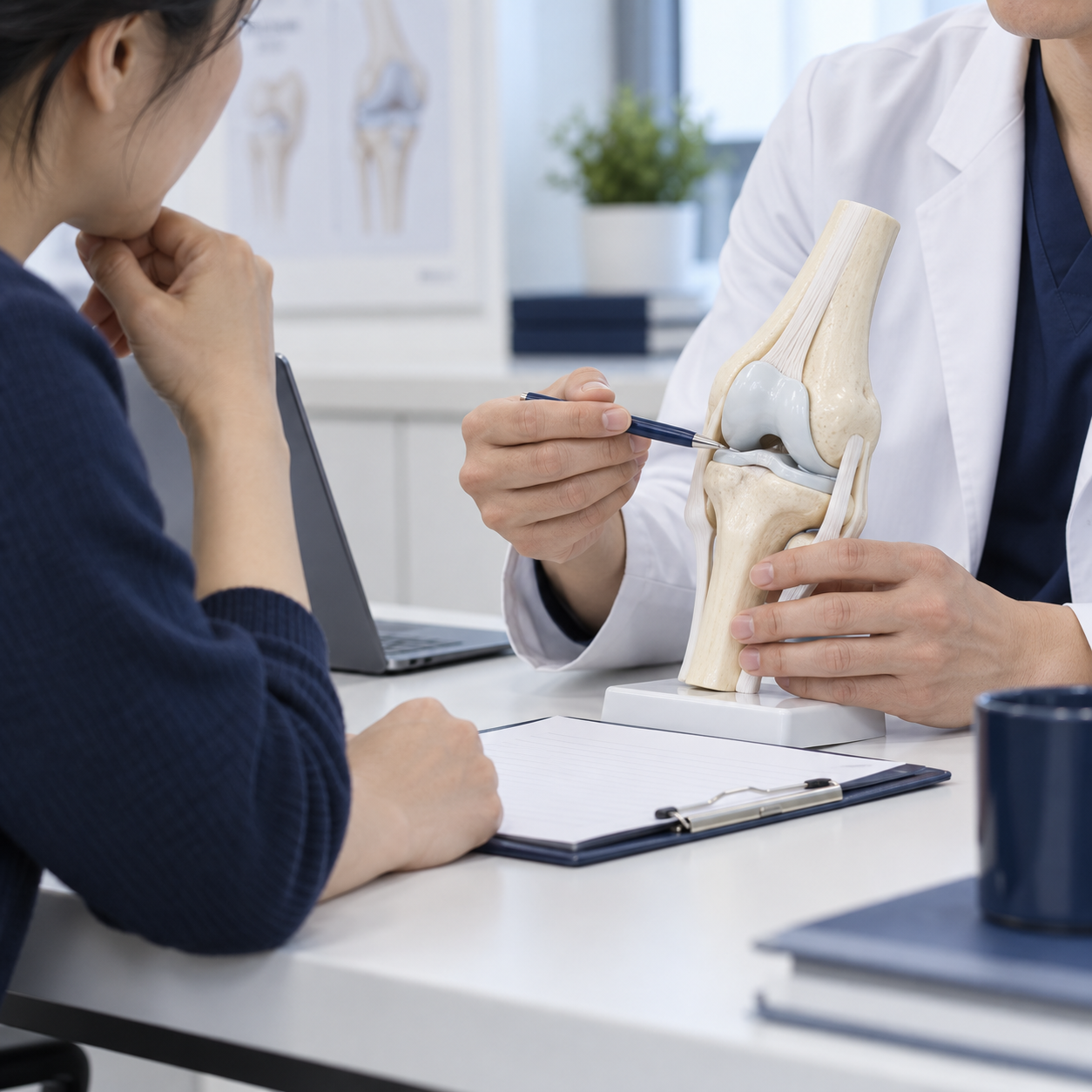
People seeking non-surgical pain care
FAQ
01 How many manual therapy sessions will I need?
It is not a one-time treatment. Keeping to the schedule set at consultation helps prevent recurrence.
02 Can I receive manual therapy without a consultation?
No. A specialist assesses the cause before considering correction.
Aftercare guidance
Four ways to support recovery.
Avoid strenuous activity on treatment day
Rest on treatment day and avoid heavy lifting or strenuous exercise.
Review posture habits together
If the posture linked to your pain continues, improvement may not last. Follow the posture and exercise guidance given at your visit.
Contact the clinic if pain worsens
Contact the clinic if pain worsens or you develop numbness or a feeling of heat after treatment.
Follow the recommended visit schedule
This care may take more than one visit. Follow the schedule discussed with your clinician.
When it hurts, Dr. Anapa
Face or pain, we start by finding out why. Book by phone or online.