
Pain and posture care
Look beyond the painful area to the movements and daily demands involved. An assessment helps guide the care plan.
Why does strain keep returning to that area?
Treating a structural condition appropriately comes first. For recurring musculoskeletal pain, we also assess everyday posture, weight-bearing asymmetry and movement through the spine, pelvis and legs.
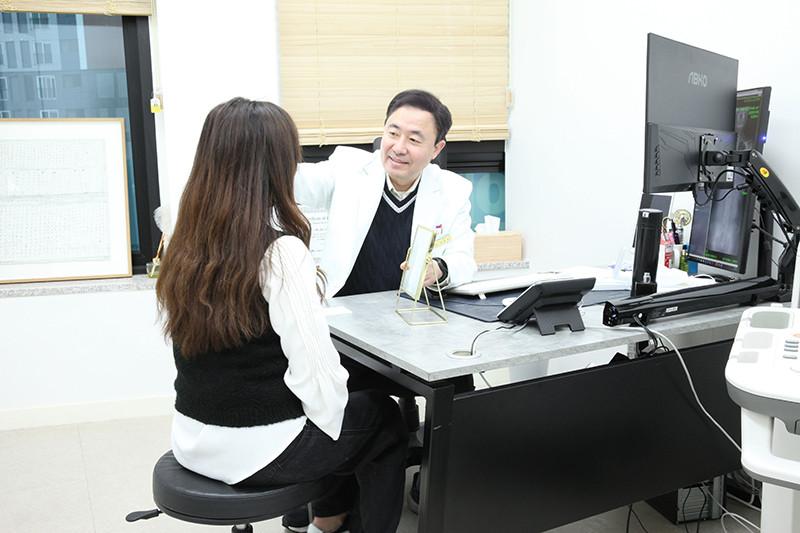
What we assess in consultation
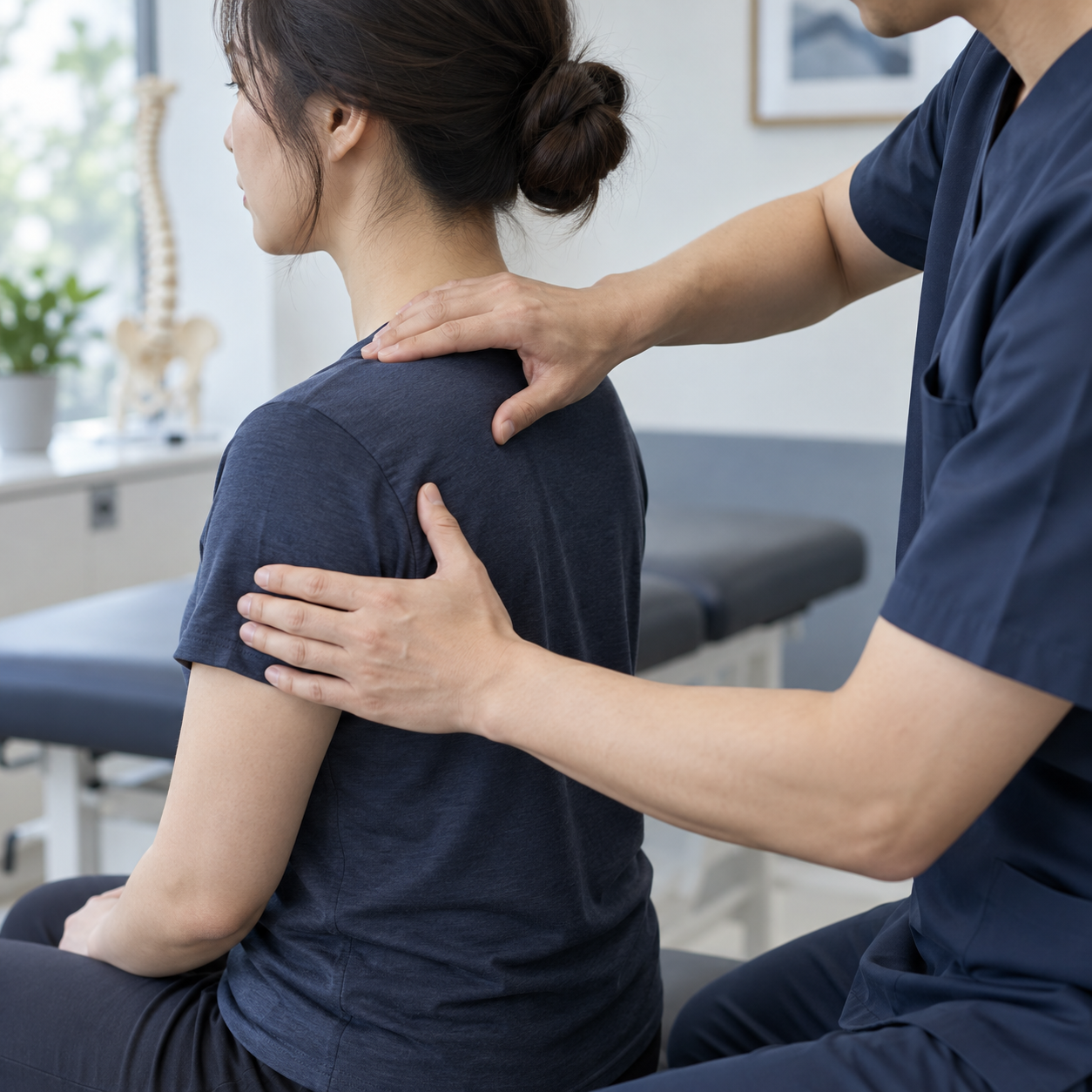
We assess the painful area together with posture, movement and weight bearing.
Four perspectives in pain assessment
We review causes, weight distribution, movement and daily posture as well as the painful area.

Differential diagnosis
First distinguish structural causes such as disc disease, arthritis, tendon or ligament injury and nerve compression.

Weight-bearing symmetry
Assess habits such as leaning on one hip or repeatedly loading one leg.

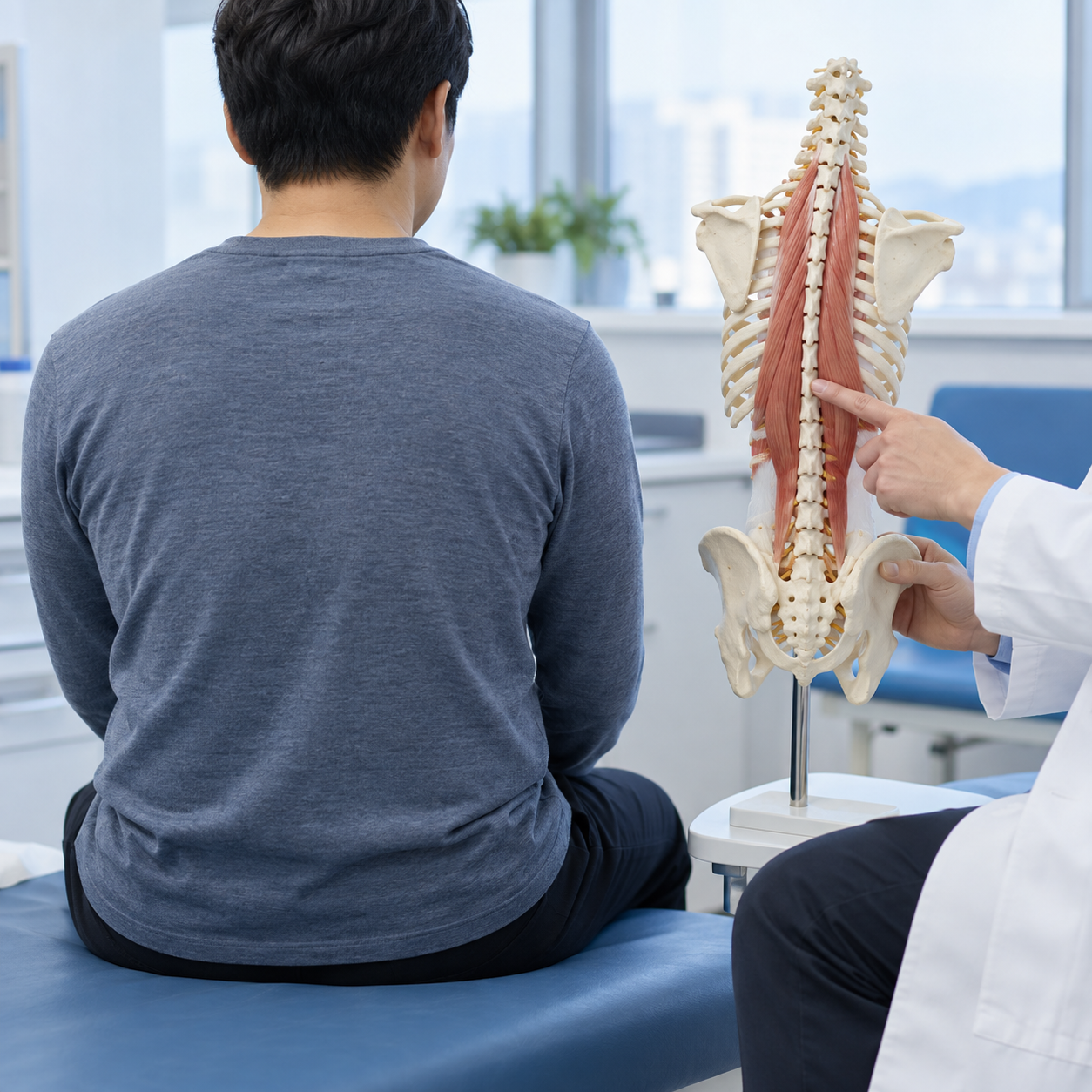
Spinal muscles and whole-body movement
Assess spinal muscle tension alongside symptoms in the arm or leg on the same side.

Individual posture guidance
Identify recurring loads and practical changes rather than prescribing the same posture to everyone.
Assessing symptoms from head to foot
We review symptoms from the neck to the feet and how movement across body areas connects.
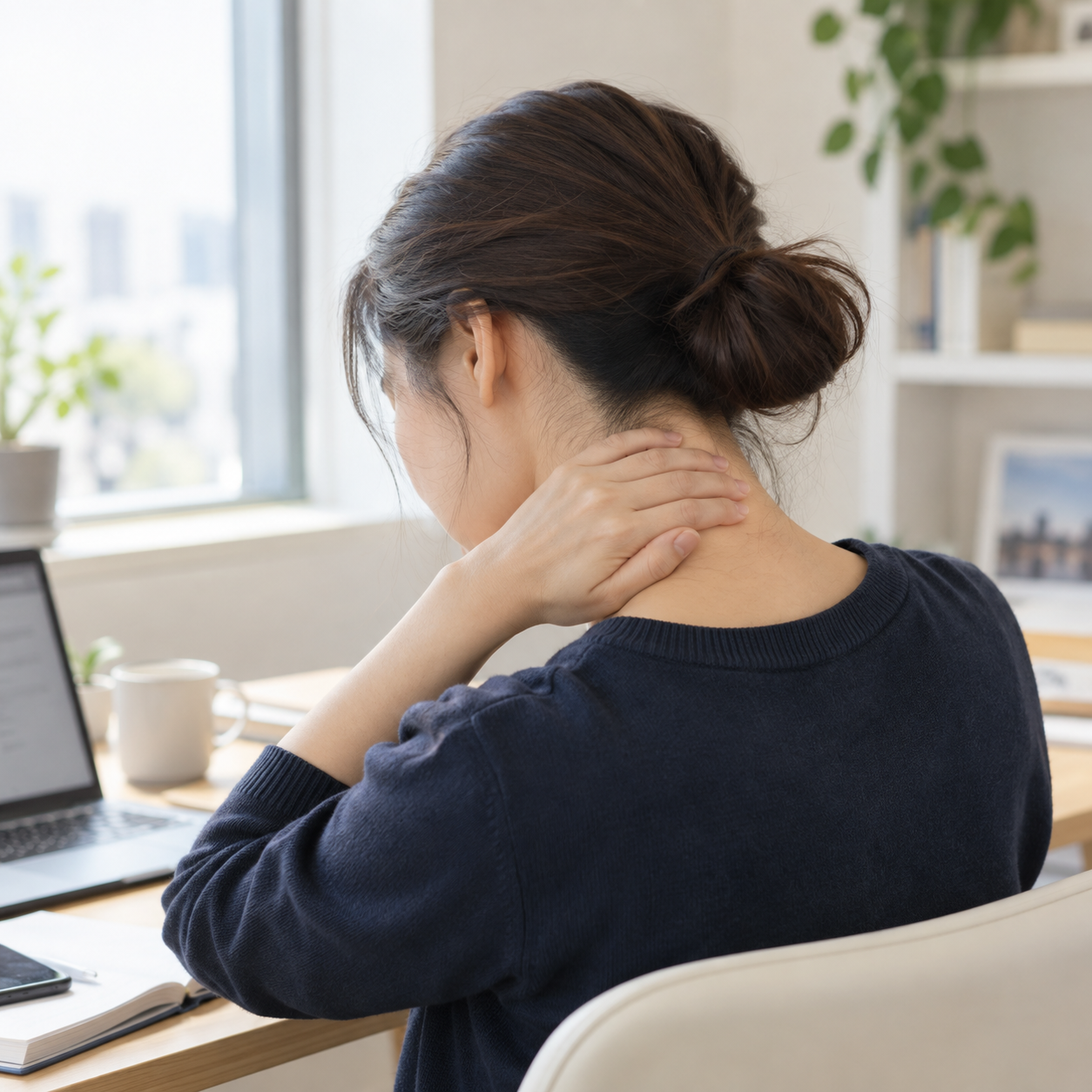
Head and neck
Headache, occipital pain, neck pain, forward-head posture and jaw joint pain.

Shoulder, arm and hand
Shoulder pain, frozen shoulder, shoulder-blade pain, arm tingling, tennis or golfer’s elbow, wrist and finger pain.

Back
Thoracic, rib, flank and lower-back pain, and sciatica.
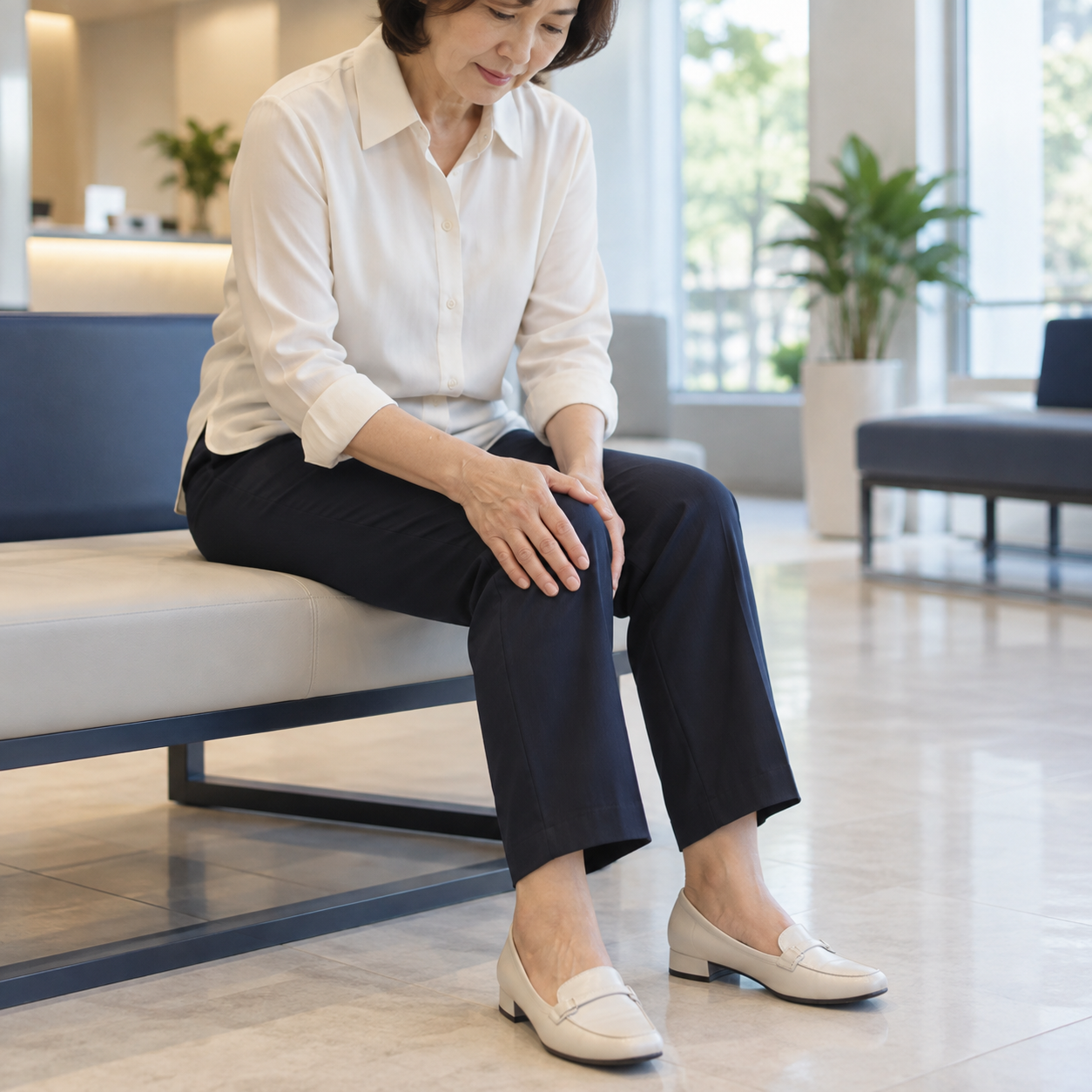
Pelvis and knee
Sacroiliac, buttock, hip, thigh, knee and posterior-knee pain.

Calf and foot
Shin pain, calf cramps, ankle or Achilles pain, plantar fasciitis, heel and toe pain.
Related symptoms call for individual care
When neck, shoulder and arm symptoms, or back, buttock, knee and calf symptoms occur together, assessment considers nerves, muscles, posture and weight bearing. Examination and indicated tests help distinguish other causes. Medication, injections, physical or exercise therapy, and posture or lifestyle guidance may then be selected or combined for the individual; no single cause or treatment applies to everyone.
Considering movement beyond the clinic
We discuss how to adjust repeated movements identified during the consultation in daily life.
1. Identify recurring strain
Assess side-to-side and front-to-back imbalance and repeated everyday movements.
2. Understand the pattern
Explain which movements may repeat the strain.
3. Manage everyday activity
Adapt posture and movement to the condition as part of ongoing care.
What we assess in everyday situations
We review posture and weight transfer across work and exercise situations.

Computer work
Assess tension in the neck, shoulders, shoulder blades and mouse-using arm.

Long-distance driving
Review seat position, pelvic loading and steering or pedal use.

Golf and tennis
Assess the swing or stroke together with thoracic, hip, shoulder and forearm movement.

Hiking and running
Assess weight transfer from hip to foot and side-to-side gait differences.

Gym exercise
Assess movement compensation rather than increasing weights despite pain.
These symptoms need prompt medical assessment
Sudden arm or leg weakness, bowel or bladder dysfunction, reduced perineal sensation, a sudden severe headache, chest pain or breathlessness, high fever, major trauma, or sudden swelling and warmth in one leg should not be assumed to be postural pain. Seek prompt assessment at an appropriate medical service rather than waiting for an online consultation.
FAQ
Is all pain caused by posture?
No. Structural conditions and nerve, joint or tendon problems are among many possible causes. Posture and loading are additional factors to assess.
Does a disc finding on MRI explain the pain?
Imaging and symptoms do not always match. Examination, neurological findings and the pain pattern are considered together.
Is posture correction alone enough?
A condition may first need appropriate treatment. Posture guidance helps address recurring strain and everyday care.
Must I always exercise during pain treatment?
Exercise is adjusted to diagnosis and function rather than following a uniform routine despite pain.
Related care and physician information

Look again at where pain begins
Why does pain return after treating only the painful area? Dr. Ahn explains the connections between pain and posture from head to toe.
Start with an assessment of your current condition
Examination and consultation guide the treatment, its sequence, possible changes and limitations.
When it hurts, Dr. Anapa
Face or pain, we start by finding out why. Book by phone or online.