
Finger Pain and Its Link to the Neck and Forearm Muscles
Why look at the neck and forearm muscles when your finger hurts? When finger pain keeps coming back because only the finger is treated
Why look at the neck and forearm muscles when your finger hurts? When finger pain keeps coming back because only the finger is treated
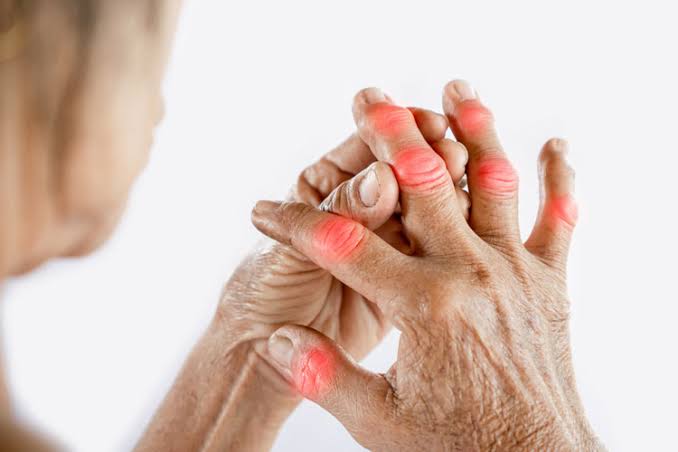
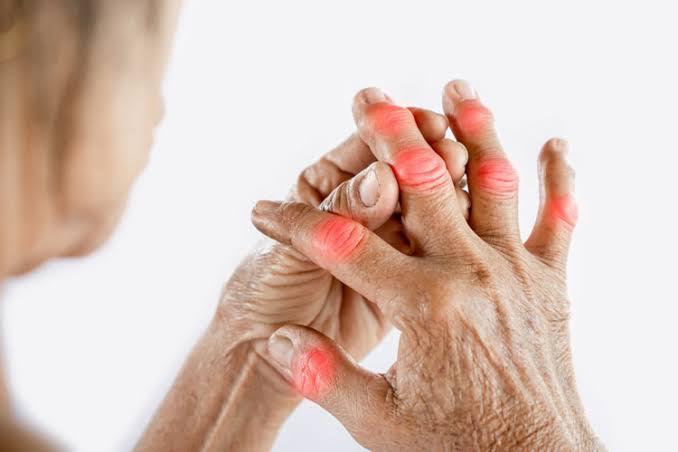
Hello. I'm Dr. Ahn Jae-seok of Seoul Cheongdam Dr. Anapa Clinic. Most people who come in with finger pain assume at first that the problem lies in the finger itself. And indeed, in many cases the cause is a condition of the finger itself, such as finger arthritis, tenosynovitis, trigger finger, ligament injury, or a fracture.
Finger pain has many possible causes—injury, joint disease, tendon and ligament problems, nerve problems—so an accurate differential diagnosis comes first. But over 25 years of pain treatment, I've also met quite a few patients of a somewhat different type.
These are patients who have no obvious abnormality in the finger, yet the finger, wrist, and elbow on the same side hurt repeatedly. In such cases, I don't look only at the finger.
Instead of starting at the finger, I trace it back up to the neck The nerves that move the hand and arm exit the cervical spine and travel down the arm. And many of the muscles that move the fingers are located not in the fingers but in the forearm, between the elbow and the wrist.
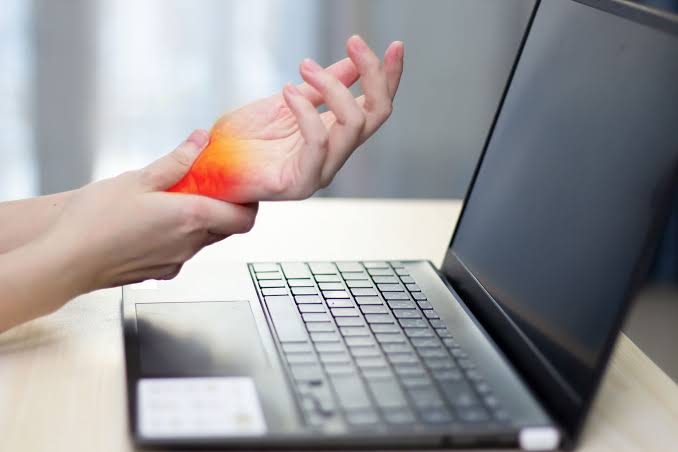
So people who use their fingers heavily and repetitively can develop considerable tension in the forearm muscles. The pattern I commonly see in practice is as follows. Finger pain ↓ Discomfort around the wrist ↓ Excess forearm muscle tension ↓ Elbow pain ↓ Muscle tension around the shoulder and neck

In other words, it's not a problem of a single finger, but a case where the whole arm is tense as one connected system.
But why do the forearm muscles on only one side keep knotting up? This is where I look at the patient's posture. People today spend a large part of the day sitting. Yet surprisingly many people don't put equal weight on both buttocks.
They lean on one hip or sit with their legs crossed, their monitor is off to one side, and they use a mouse with one hand for hours—day after day.

In my clinical observation, patients who maintain this kind of asymmetric posture for a long time often show tension in the erector spinae and muscles around the cervical spine on the same side, together with tension in the shoulder, upper arm, and forearm on that side.
That's why, even for finger pain patients, I check · how the neck is · how the shoulder is · how knotted the forearm muscles are · whether the elbow hurts · which buttock they put their weight on when sitting.
When finger pain and elbow pain occur together Many of the flexor and extensor muscles that move the fingers are located in the forearm. So if the forearm muscles stay excessively tense, it can strain wrist and finger movement as well.
When I ask these patients, they often say things like "My wrist hurts sometimes too," "The outside of my elbow hurts as well," "My shoulder is always tight," or "My neck is always stiff." In these cases, rather than viewing each pain as a separate problem, it's worth looking at the overall muscle and nerve tension pattern of that one arm.
Treating only the finger may not be enough If there's a joint or tendon condition in the finger itself, it needs appropriate treatment. But when an abnormality of the finger alone can't fully explain the symptoms and there's also tension in the neck, shoulder, and forearm, I evaluate the entire chain.
In clinical practice, I've seen patients with abnormally tense areas around the cervical spine and spine whose arm and forearm tension decreased quickly after appropriate nerve block treatment, with wrist and finger symptoms easing as well.
This doesn't mean it's a treatment that applies to all finger pain. The first step is an accurate diagnosis to find which structures are actually involved in the pain.
In the end, the key to treatment is posture One important conclusion I've drawn from 25 years of treating pain patients is that loosening muscles in the treatment room isn't enough. If the patient goes back to · leaning on one hip when sitting · jutting the head forward · rounding the shoulders · using a mouse and smartphone with the same hand all day, the same muscles will inevitably be strained again.
So I have patients check their own left-right weight bearing and start by correcting how they sit. I repeatedly teach them how to keep the trunk and head from jutting too far forward and how to use their weight evenly on both sides.
If needed, I also teach exercises suited to the individual. The ultimate goal of pain treatment, as I see it, is not to keep patients coming back to the clinic but to help them use their own bodies correctly on their own.
So today I've prepared a video of the posture correction exercises I teach in person in the clinic. I'll show you everything from how to check your left-right balance to exercises that restore a posture that has collapsed forward or backward. 👇 Check out the video below.
But this kind of finger pain needs an accurate exam first In the following cases, you shouldn't dismiss it as a posture problem. · Severe swelling and difficulty moving after an injury · The shape of the finger has changed
· The joint is red and hot · The finger locks or clicks · Persistent numbness or reduced sensation · The hand is gradually getting weaker · Multiple joints are swollen and very stiff in the morning
Finger pain can have many causes, including fractures, sprains, arthritis, trigger finger, and nerve compression.
FAQ Q. If my finger hurts, is it always because of my neck? No. The cause may be a joint, tendon, or ligament of the finger itself, or an injury. However, if the finger exam shows no clear problem or wrist, elbow, shoulder, and neck pain keep recurring together, the entire arm should be examined.
Q. Is there a reason my finger and elbow hurt at the same time? Because many of the muscles that move the fingers are located in the forearm, repetitive use or excess tension of the forearm muscles can affect both the hand and the elbow. Q. Is it related to posture if only one hand keeps hurting?
Many factors can contribute, including work posture, mouse use, smartphone use, and left-right weight bearing. Especially when pain in one arm keeps recurring, I check the left-right balance of the whole body. Q. What should I do to keep the pain from coming back after treatment?
If the work environment and posture that caused the pain stay the same, the muscles are likely to tense up again. So along with treatment, it's important to correct your sitting posture, monitor height, left-right weight bearing, and exercise habits.
Seoul Cheongdam Dr. Anapa Clinic

Dr. Ahn Jae-seok, board-certified anesthesiology and pain medicine specialist ※ This article is intended to explain general medical information and clinical experience; accurate diagnosis and treatment for each individual should be determined after an in-person examination. #FingerPain #WristPain #ElbowPain #TennisElbow #ForearmPain #NeckPain #ShoulderPain #PostureCorrection #PainTreatment #AnesthesiologyAndPainMedicine #SeoulCheongdamDrAnapaClinic #DrJasonAhn
When it hurts, Dr. Anapa
Face or pain, we start by finding out why. Book by phone or online.