
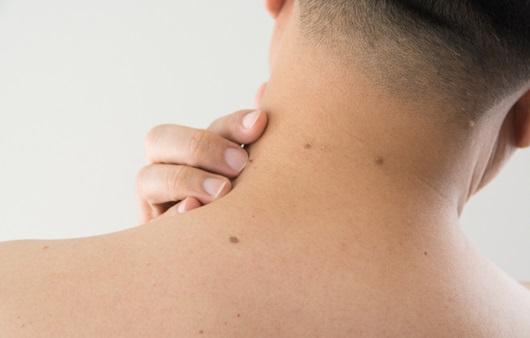
Can Flat Warts Be Treated in One Session? A Namyangju Clinic Explains
Flat warts aren't just a minor skin blemish. They are a condition caused by HPV (human papillomavirus) infection. Because a virus is the cause, removing the visible spots may not mean treatment is completely finished.
Flat warts aren't just a minor skin blemish. They are a condition caused by HPV (human papillomavirus) infection. Because a virus is the cause, removing the visible spots may not mean treatment is completely finished.
According to clinical data, treatment for flat warts often takes three months or longer on average, and when there are many lesions or a latent infection, they can come back even after a treatment session.
Of course, when there are only a few lesions and the immune system is in good shape, things may improve after one or two sessions. But because this varies a great deal from person to person, an accurate assessment before treatment comes first. We often hear, "I only have a few warts. Won't one session be enough?" That's a perfectly natural hope, but since the treatment plan depends on the number of lesions and your immune status, it's important to talk things through thoroughly with your doctor at your first visit.
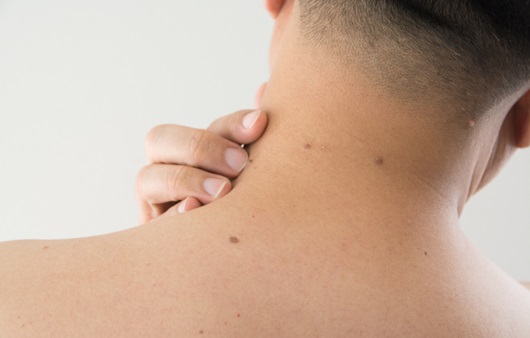
■ Why Do Flat Warts Need Repeated Treatment? Causes and How They Recur The reason flat warts need repeated treatment lies in the nature of the virus. According to a Korean medical newspaper, flat warts are a contagious condition caused by HPV types 3, 10, 28, and 49 lying dormant in the epidermis. Even after the visible lesions are removed with a laser, virus remaining in the basal layer of the skin can lead to recurrence. This isn't simply a limitation of the procedure; it's a fundamental characteristic of viral skin conditions.
International dermatology guidelines (2022) indexed in PMC/National Library of Medicine define medium-term recurrence after wart treatment as occurring about 4 months (±2 months) after treatment ends, and long-term recurrence as about 12 months (±6 months). According to clinical data, recurrence rates of 25–50% have been reported, depending on the treatment method.
In addition, a clinical study of ALA-PDT published on ScienceDirect reported that 86.67% of patients showed a complete or excellent response at 24 weeks after 2–3 treatments, supporting the effectiveness of multiple sessions. The same medical newspaper also notes that for multiple flat warts, combining high-power laser treatment with immunotherapy can improve cure rates.
■ Key Recurrence Factors at a Glance ・ Causative virus: HPV types 3, 10, 28, and 49 (dormant in the epidermis) ・ Timing of recurrence (medium-term): about 4 months (±2 months) after treatment ends ・ Timing of recurrence (long-term): about 12 months (±6 months) after treatment ends ・ Reported recurrence rate: 25–50% depending on treatment method ・ Key to preventing recurrence: immune care combined with lifestyle changes In short, removing the lesions alone may not be enough. Combining immune care with lifestyle changes plays an important role in keeping flat warts from coming back.
■ How Seoul Cheongdam Dr. Anapa Clinic Approaches Flat Wart Treatment What matters in flat wart treatment isn't going "as hard as possible, all at once." It's accurately assessing the lesions and then designing treatment suited to each stage.
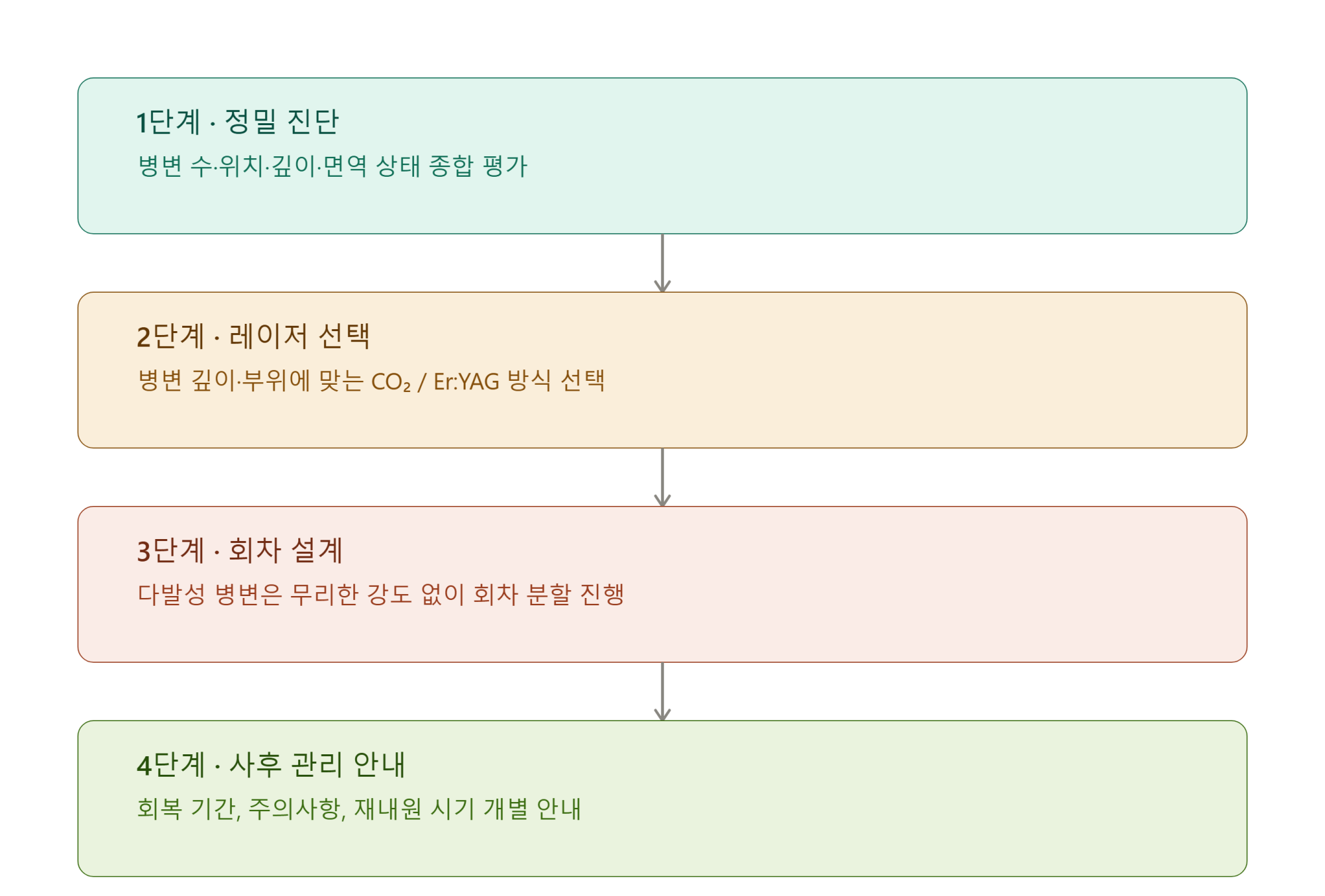
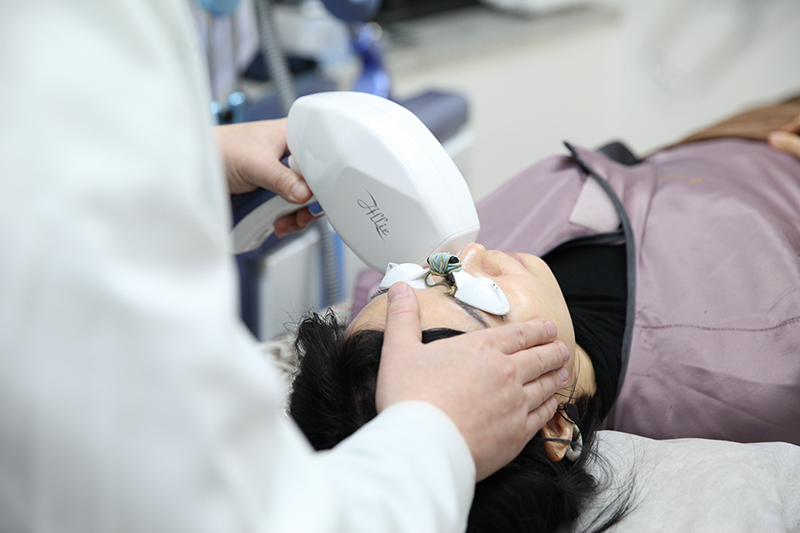
The experienced medical team at Seoul Cheongdam Dr. Anapa Clinic takes personal responsibility for your care through one-on-one treatment, from consultation through treatment and aftercare. At the diagnostic stage, we comprehensively evaluate the number, distribution, and location of lesions along with your immune status, and use that to plan both the laser treatment and your aftercare.
-
Precise diagnosis: Comprehensive evaluation of lesion number, location, depth, and immune status
-
Laser selection: We choose between CO₂ and Er:YAG lasers based on lesion depth and location. A CO₂ laser has the advantage of allowing the depth and intensity to be adjusted for each individual lesion.
-
Session planning: For multiple lesions, treatment is divided into sessions rather than using excessive intensity. Overly aggressive treatment can increase the risk of spreading to surrounding skin or scarring.
-
Aftercare guidance: We give individual guidance on recovery time, precautions, and when to return after treatment.
The number of sessions and the interval between them aren't fixed in advance for everyone. Your doctor will advise you at consultation based on your individual condition.
■ Before Treating Flat Warts, Check This First Flat warts often look similar to moles or freckles, so many people mistake them for something else and leave them alone. But leaving them untreated, or irritating them by squeezing or scrubbing them yourself, can spread the virus to surrounding skin and make treatment more difficult.
Flat warts can spread by self-inoculation, so simply touching them repeatedly or running a razor over them can carry the virus to other areas. With flat warts on the face, a single shaving habit can be what spreads the lesions.
If any of the following apply to you, we recommend coming in to have it checked before treatment. ・ You've been watching a spot for months because you can't tell whether it's a mole or a wart ・ You have a habit of touching or picking at it with your fingernails ・ Your immune system is run down from ongoing overwork, lack of sleep, or stress
・ The number of lesions suddenly increased or they appeared in a new area ・ Lesions seem to have spread after scrubbing or exfoliating at home An expert column on HiDoc also stresses that flat warts can suddenly multiply when immunity is low, and that even small lesions can spread to other skin, so early treatment is important. Coming in as soon as you notice changes helps shorten the treatment period and reduce the number of sessions.
Patients from Dasan New Town in Namyangju, as well as nearby areas such as Guri, Byeollae, and Hanam, can easily visit us for flat wart treatment.
■ Worried About Flat Warts in Dasan New Town, Namyangju? Where to Start At Seoul Cheongdam Dr. Anapa Clinic, we'll walk you through every concern about flat warts, from "How many sessions will I need?" to "I'm worried they'll come back."
The number of sessions and the length of treatment are planned individually based on your lesions, immune status, and daily environment. Getting an accurate diagnosis to understand what stage you're at right now is the first step in treating flat warts. Keep in mind, too, that the earlier you start, the better your chances of limiting the spread and shortening treatment.
Patients visiting from Guri, Byeollae, and Hanam near Dasan New Town receive the same personalized one-on-one care, so if you suspect a lesion, feel free to ask us first and decide on the right direction together.
■ Frequently Asked Questions Q. Can flat warts go away on their own? A. They sometimes disappear on their own once the immune system has fully recovered. However, the time it takes can range from several months to several years, and in the meantime lesions may increase or spread to other areas. Waiting to see what happens is one option, but if you notice spreading or more lesions, it's appropriate to consider treatment.
Q. How long do scabs and redness last after laser treatment? A. It depends on the treated area and how deep the lesions are, but scabs usually fall off on their own within 1–2 weeks. Redness may linger for several weeks after that. For one month after treatment, we recommend avoiding excessive sun exposure and applying sunscreen diligently. It's important not to pick at scabs and to let them fall off naturally.
Q. What should I do if my flat warts come back? A. If they recur, it's best to come in as soon as possible to have them reassessed. When warts recur, we adjust the treatment plan by considering your previous treatment history together with your current immune status. Irritating the lesions on your own judgment or leaving them alone can lead to spreading, so we recommend consulting a specialist as soon as you notice changes.
This content was prepared in compliance with Article 56 of the Korean Medical Service Act and Article 23 of its Enforcement Decree. Results may vary depending on each individual's condition.
About the Author
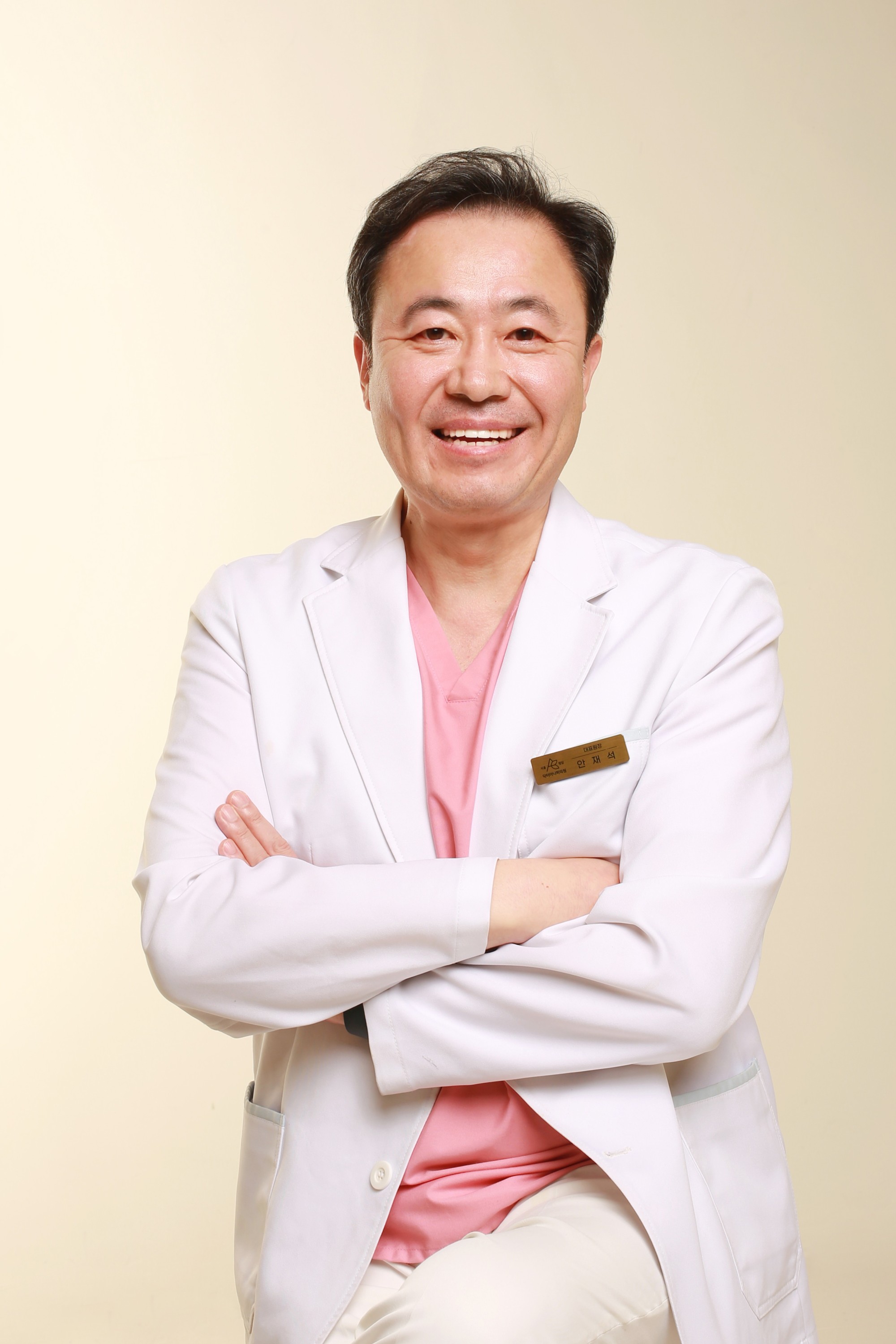
Dr. Ahn Jae-seok, board-certified in anesthesiology and pain medicine, Director of Seoul Cheongdam Dr. Anapa Clinic. Seoul Cheongdam Dr. Anapa Clinic is an anesthesiology and pain medicine clinic in Dasan New Town, Namyangju, offering chronic pain treatment alongside nonsurgical anti-aging medicine that helps you look younger without surgery. Drawing on extensive clinical experience, the clinic specializes in nonsurgical anti-aging treatments including fat grafting, thread and laser lifting, and adipose-derived stem cell therapy.
#NamyangjuFlatWarts #DasanFlatWarts #GuriFlatWarts #ByeollaeFlatWarts #YangjeongFlatWarts #FlatWartTreatment #FlatWartLaser #HPVWarts #FlatWartRecurrence #SeoulCheongdamDrAnapaClinic Seoul Cheongdam Dr. Anapa Clinic
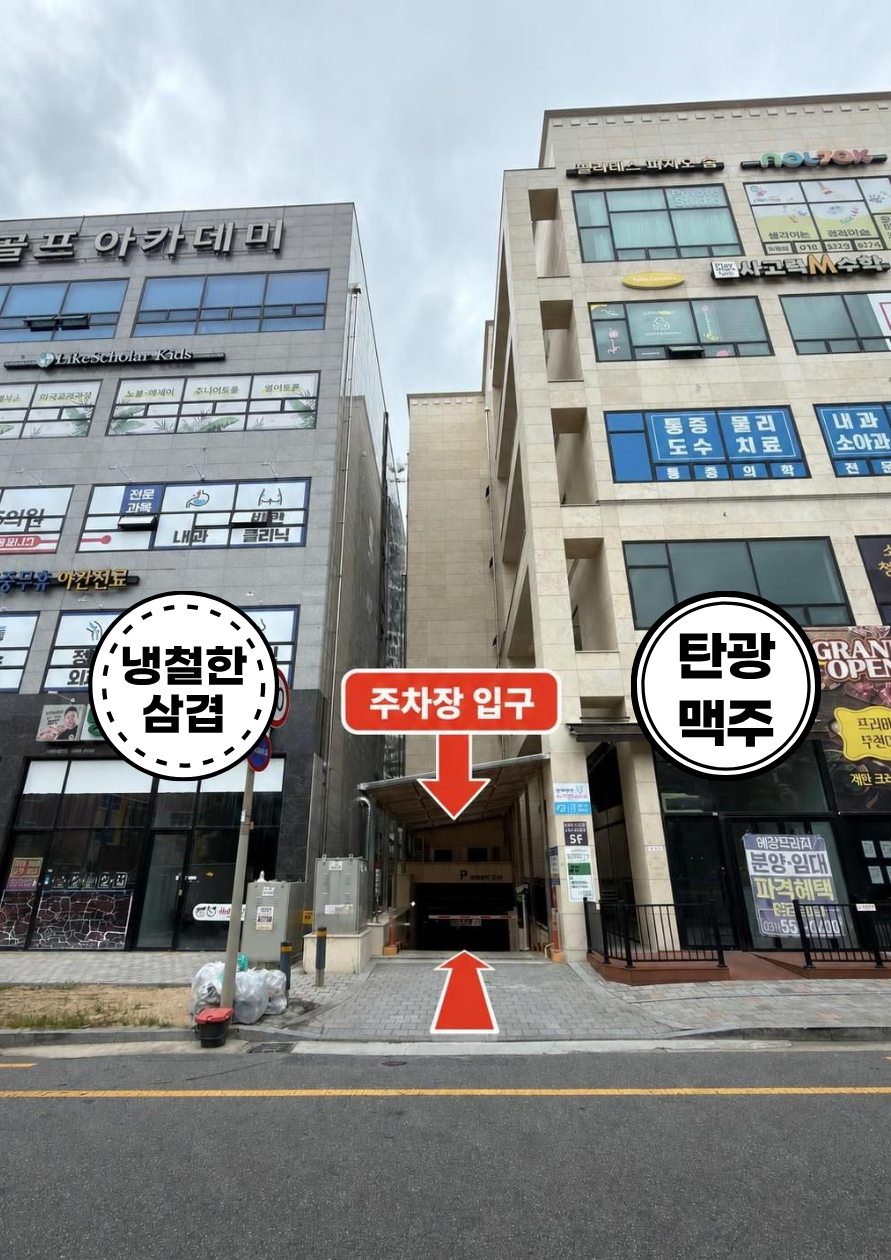
📍 Address: 3F Anapa Clinic, 80 Dasanjungang-ro 82beon-gil, Namyangju-si, Gyeonggi-do
📞 Inquiries: 031-8088-8030 🕘 Hours: Mon–Fri 09:00–18:00 (lunch break 13:00–14:00), closed Saturdays, Sun 11:00–17:00 (no lunch break)
When it hurts, Dr. Anapa
Face or pain, we start by finding out why. Book by phone or online.