
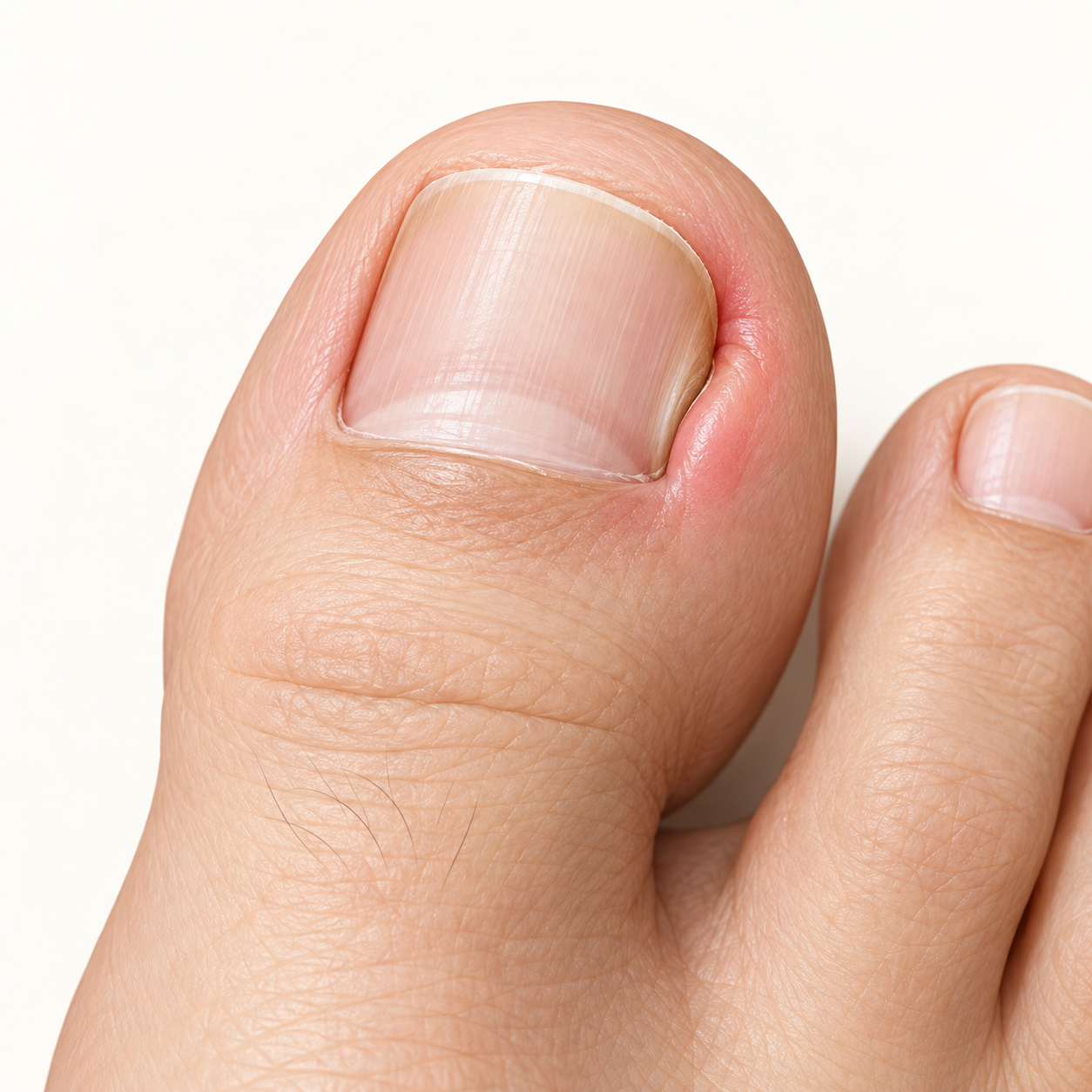
Ingrown toenail correction
Ingrown nails: assess the condition first
At a glance
A quick look at the key figures

Procedure time
About 20-30 minutes

Treatment approach
No incision

Recovery period
Return to daily activities the same day

Pain level
Minimal discomfort
An ingrown nail develops when the growing nail presses into the surrounding skin, causing inflammation and severe pain. Some people try to tolerate the pain or cut the nail short at home, which may make it worse. As swelling and pain increase, walking posture may change and contribute to knee or back pain.
Causes
Tight shoes, improper nail trimming, and fungal nails can contribute. Once an ingrown nail worsens, routine self-care may not be enough.
Nail correction
Correction uses the nail’s natural growth to address the cause while reducing the burden of surgery. Before correction, the nail edge curves inward and presses firmly on the skin. The treatment straightens that curve to relieve pressure and guide the nail toward a normal shape. It involves no incision or bleeding, so patients can walk afterward.
Assessing the cause first
Rather than using the same treatment for everyone, the clinician asks about and examines the nail, pain, and daily habits before recommending a recovery plan. Care continues beyond pain relief to support healthy nail growth.
Treatment outcomes vary by person.
Considering ingrown nail care
Review the nail edge and surrounding skin before discussing treatment and care.
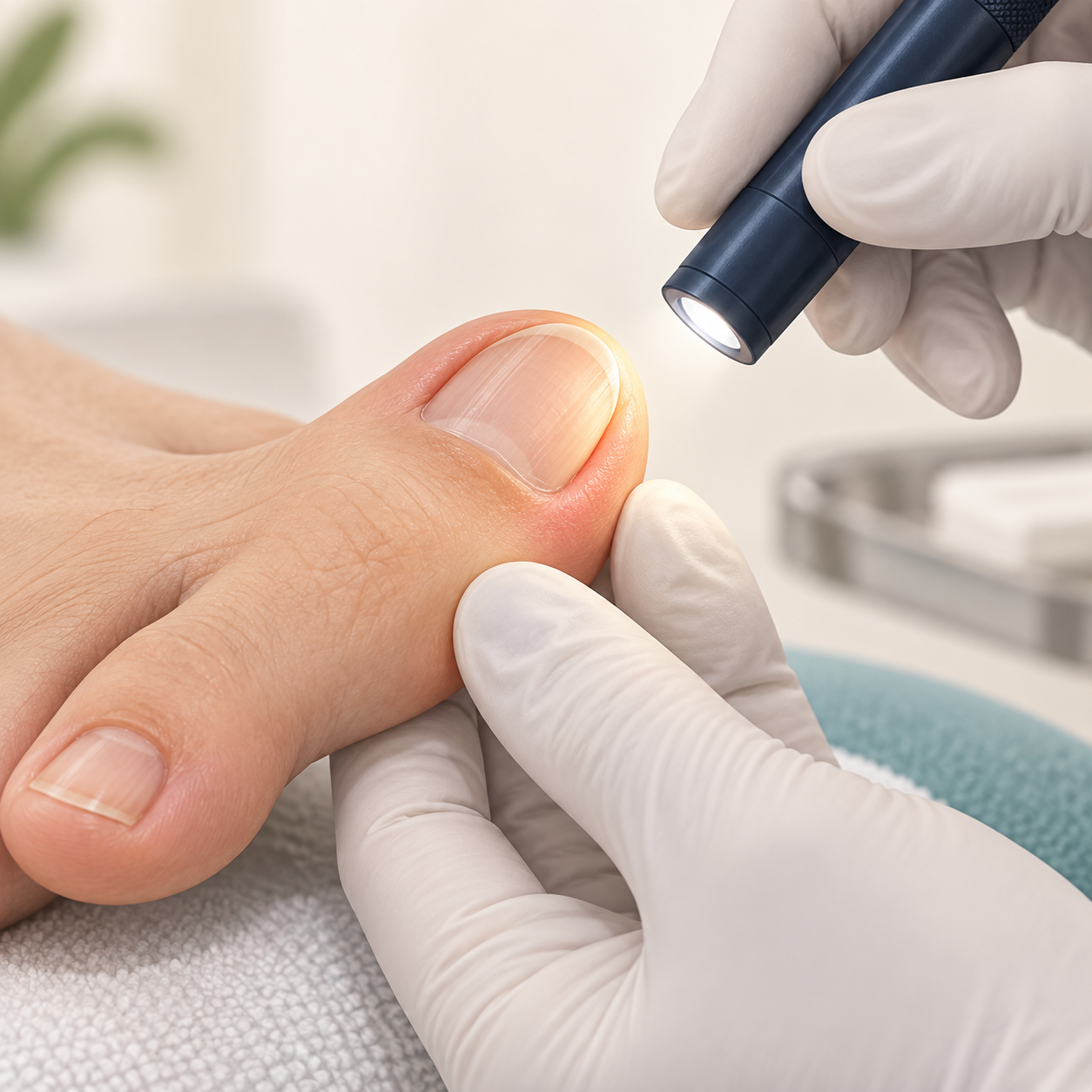
Treatment without an incision
The treatment requires no incision or bleeding and allows a prompt return to daily activities.
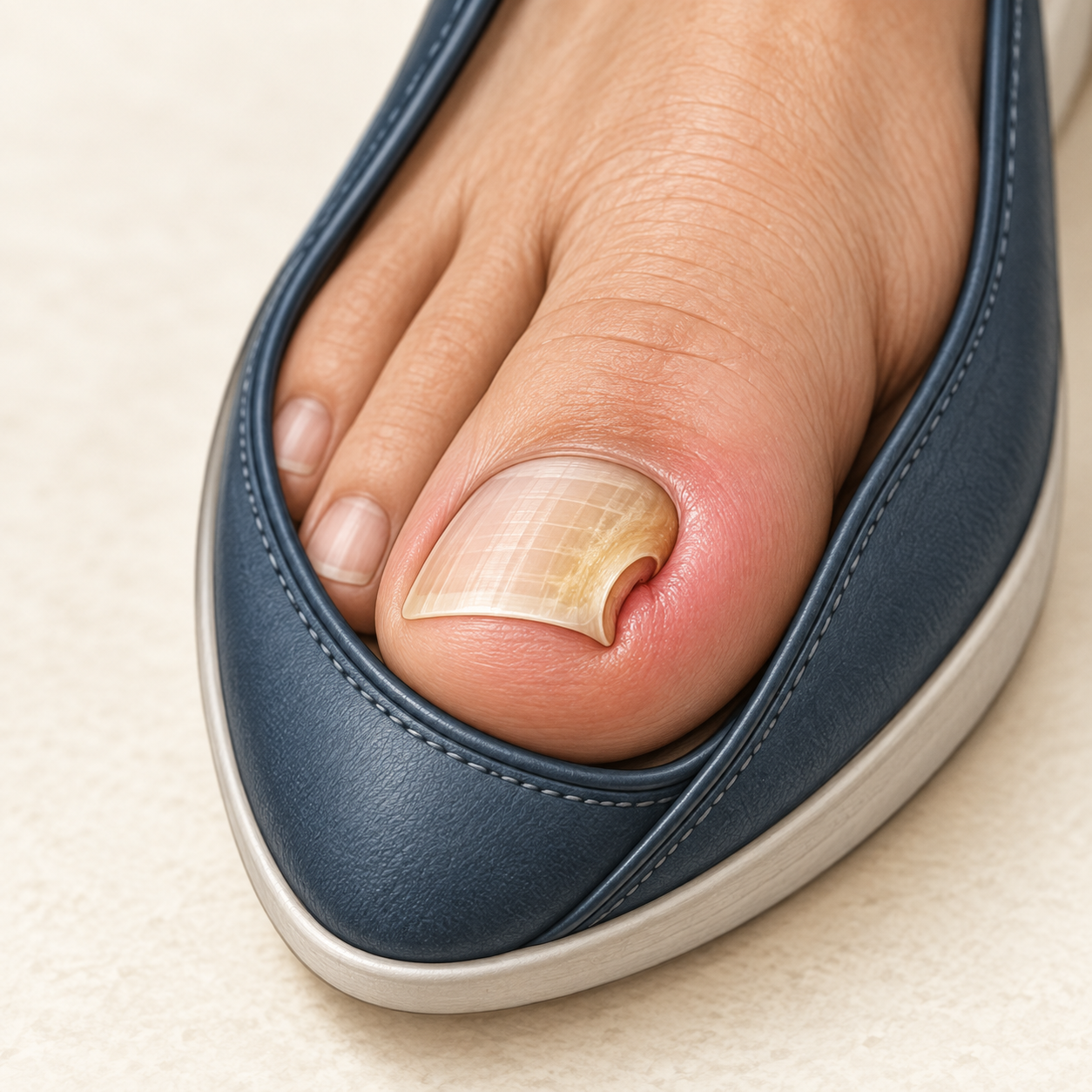
Addressing underlying factors
Correction addresses the underlying cause so the nail can grow normally, rather than only easing symptoms.
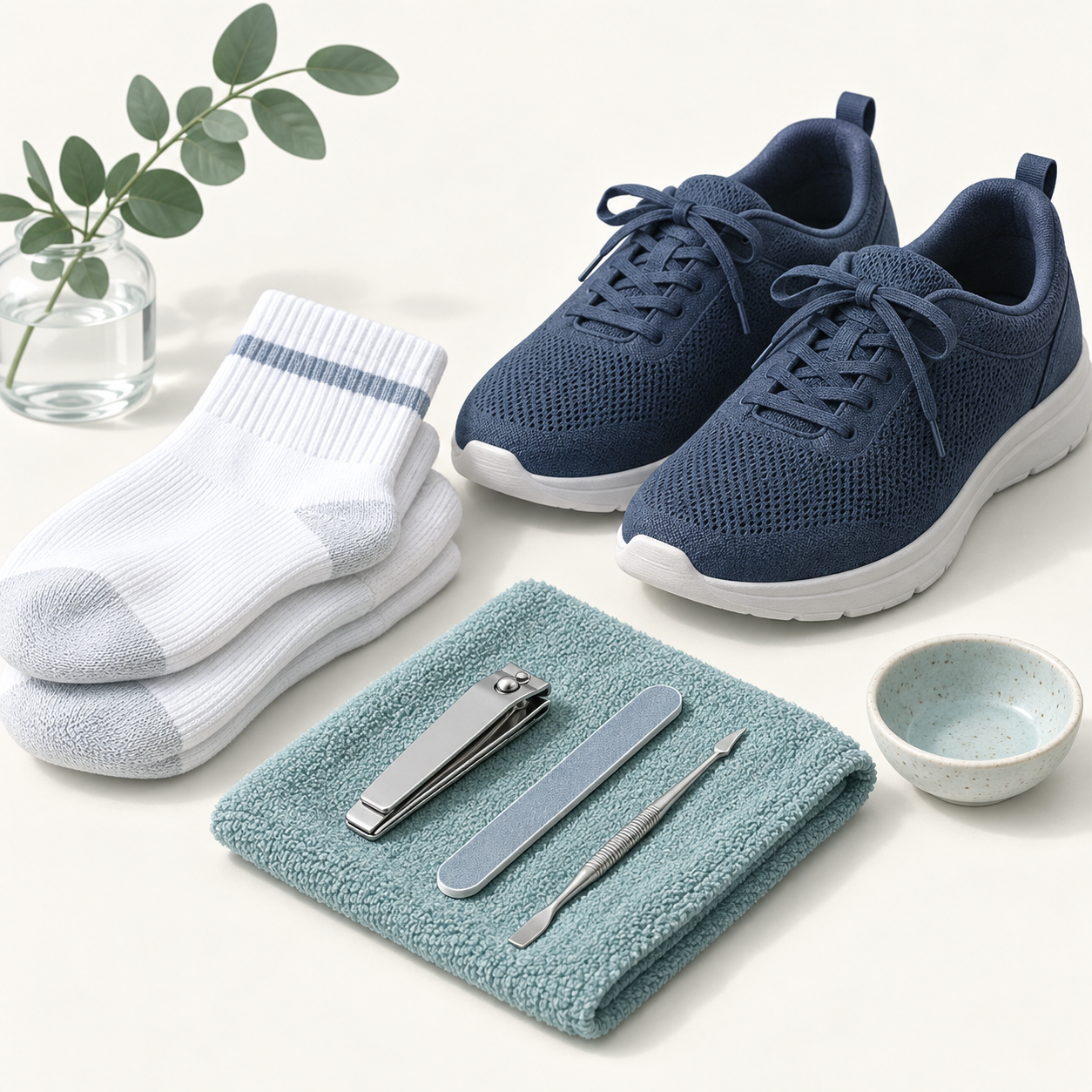
Follow-up care to reduce recurrence
Follow-up care supports the growth of a healthy nail after treatment.
When a nail hurts while walking
Review pain or inflammation at the nail edge and changes in color or thickness.

People with toe pain when walking
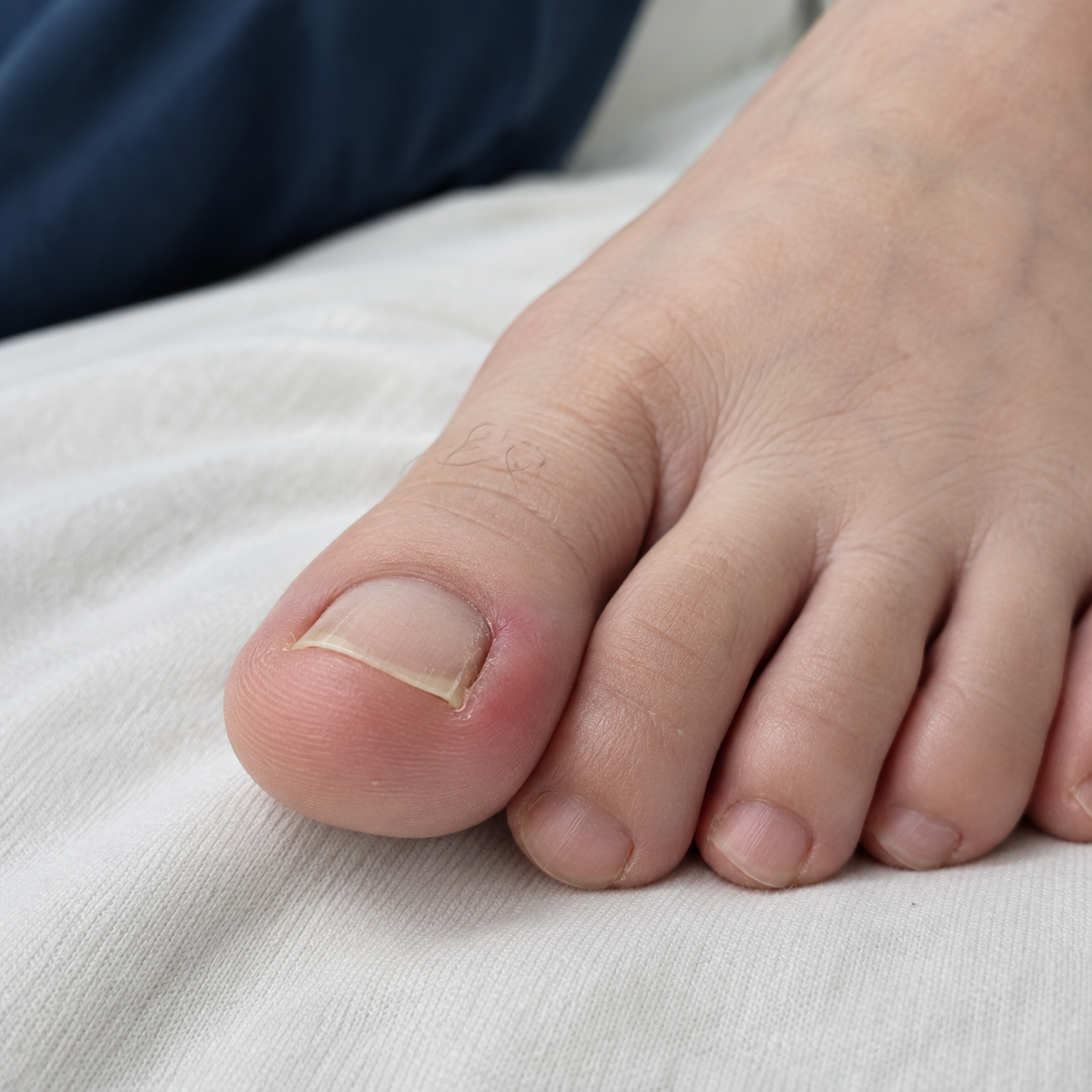
People whose ingrown nail has caused inflammation
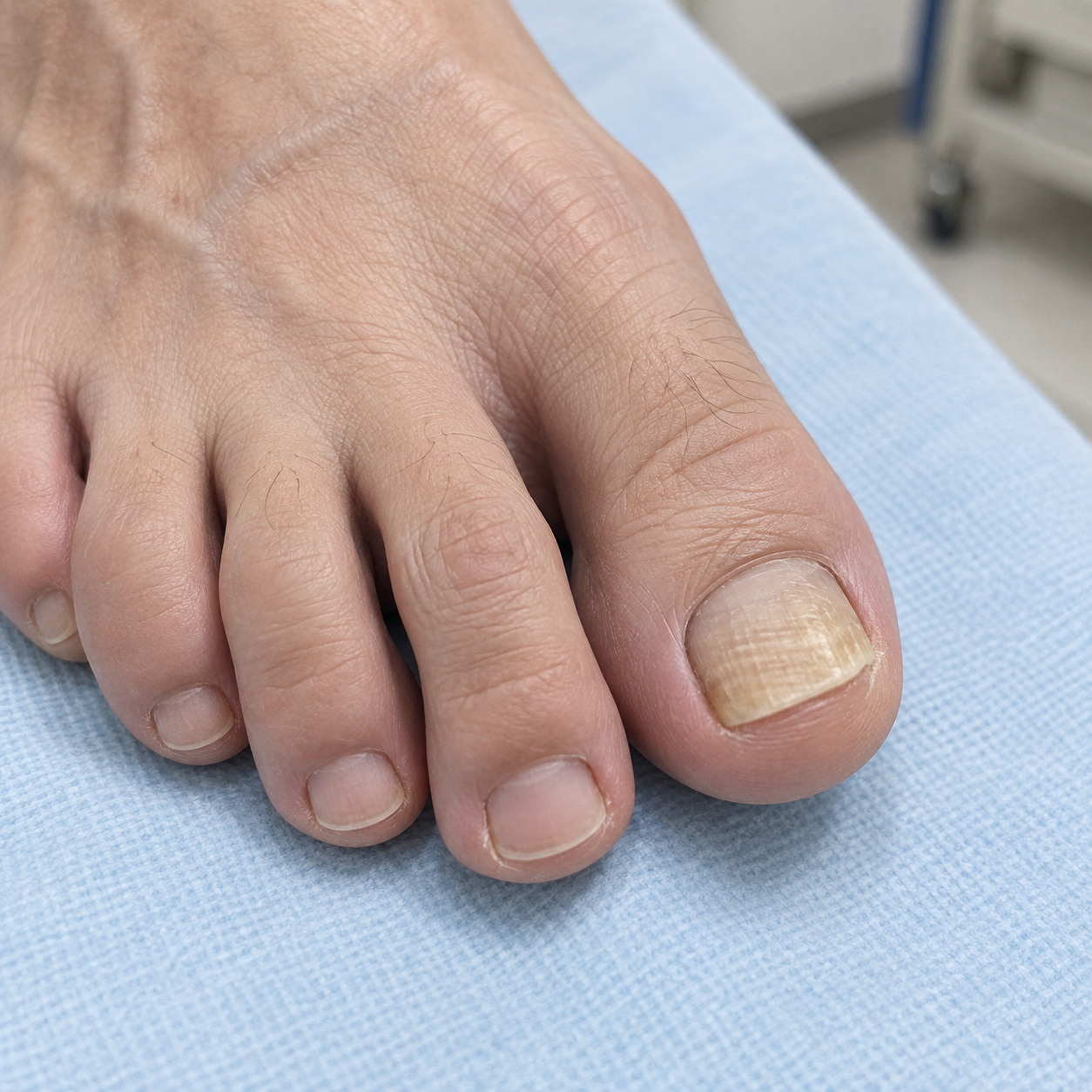
People with discolored or thickened fungal nails
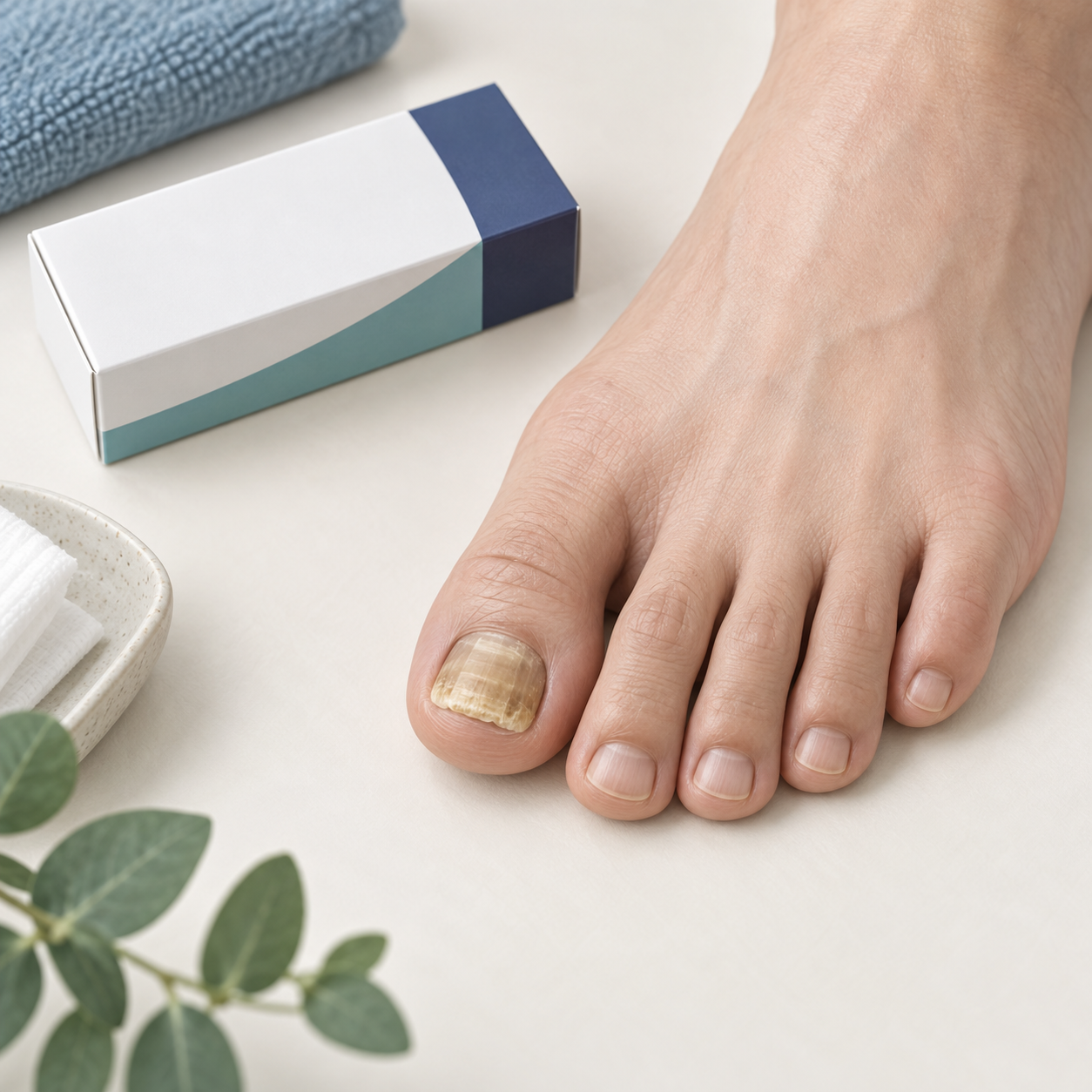
People who have not improved with medication
FAQ
01 Does an ingrown toenail always need to be removed?
Not every ingrown toenail needs nail removal. Depending on severity, care to reduce pressure or conservative treatment is considered. If inflammation is severe or keeps coming back, a procedure to remove the problem part of the nail may be needed.
02 Is ingrown toenail treatment very painful?
It depends on the degree of inflammation and the method. An already swollen, sensitive area may hurt with light touch. Local anaesthesia may be used for procedures such as removing part of the nail, and we explain the expected pain and aftercare before treatment.
03 Does it get better as soon as the brace is applied?
Pain may ease fairly quickly as pressure is reduced, but changing the nail's shape takes time as it grows. Less pain does not mean correction is finished. Whether to keep, adjust or replace the device is decided as it progresses.
04 Can a treated ingrown toenail come back?
Yes, it can. Not only the nail's shape but also cutting habits and shoe pressure can continue to play a role. If pain and inflammation keep returning in the same place, we review the course of previous treatment and assess whether another method is needed.
Aftercare guidance
Four ways to support recovery.
Do not cut nails too short
While the nail is being corrected, trim it straight across without cutting too short or digging into the corners.
Avoid tight shoes
Avoid narrow toe boxes and high heels during treatment.
Keep your feet dry
Dry between your toes after showering and change your socks every day.
Contact the clinic for pain or discharge
Contact the clinic if swelling, discharge, or pain worsens. Do not dig into the nail at home.
When it hurts, Dr. Anapa
Face or pain, we start by finding out why. Book by phone or online.